
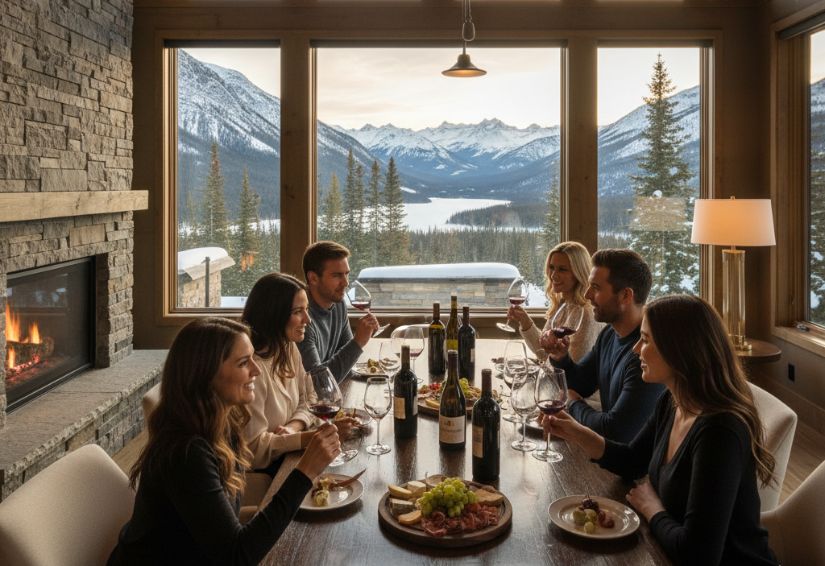
There’s something magical about gathering friends around a table to discover new wines, share stories, and create lasting memories. Wine tasting parties have become increasingly popular across Canada, offering an elegant yet approachable way to entertain at home.
Whether you’re exploring the exceptional vintages from Ontario’s Niagara Peninsula or discovering hidden gems from British Columbia’s Okanagan Valley, hosting a wine tasting party is easier than you might think, and the results are always spectacular.
Table of Contents
Why host a wine tasting party at home?
Wine tasting parties bridge the gap between casual get-togethers and formal dinner parties. They provide structure and purpose to the evening while maintaining a relaxed, social atmosphere. For Canadians proud of their country’s thriving wine industry, it’s also an opportunity to showcase world-class local wines that rival international competitors.
From award-winning ice wines to elegant Rieslings and bold Cabernet Francs, Canada’s wine regions produce exceptional bottles worthy of celebration.
Choose your theme
The first step to planning a successful wine tasting party is selecting a theme that will guide your wine selections and set the tone for the evening.
Here are some ideas particularly suited to the Canadian market:
Discover Canadian VQA wines: focus exclusively on wines bearing the Vintners Quality Alliance designation from Ontario or British Columbia. This theme educates guests about Canada’s quality standards while supporting local vintners. You might compare a Chardonnay from Niagara-on-the-Lake with one from the Okanagan Valley, or explore the diversity of Pinot Noir across different Canadian appellations.
Regional exploration: dedicate your tasting to a single Canadian wine region. An Ontario-focused evening could feature wines from Niagara Peninsula, Prince Edward County, and Lake Erie North Shore, while a British Columbia theme might highlight the Okanagan Valley, Similkameen Valley, and Vancouver Island.
Varietal comparison: select a single grape variety and taste different expressions of it. Riesling works beautifully for this theme, as Canadian winemakers produce exceptional examples ranging from bone-dry to lusciously sweet.
Old world vs. New world: compare classic European wines with their Canadian counterparts. Match a French Chablis against an Ontario Chardonnay, or pit a German Riesling against a BC Riesling to discover how terroir influences taste.
Ice wine celebration: Canada is the world’s largest producer of ice wine, making this an ideal theme for a Canadian wine tasting. Showcase different ice wine styles made from Vidal, Riesling, or Cabernet Franc, paired with appropriate desserts and cheeses.
Planning your guest list and wine selection
Keep your gathering intimate, ideally between six and twelve guests. This size allows for meaningful conversation while ensuring everyone can participate in discussions about each wine. Too many voices can make it difficult to focus on the tasting itself.
For wine selection, plan on serving three to six different wines. A standard bottle yields approximately six two-ounce tasting pours, so calculate one bottle per six guests for each wine you’ll be serving.
When tasting multiple varietals, always start with lighter wines and progress to heavier ones: sparkling first, followed by dry whites, then rosés, and finally reds in order of body and intensity.
Transform your culinary dreams into reality
From interactive cooking lessons to exotic cuisine adventures, our expert chefs transform your kitchen into a world-class culinary experience.
The game-changing solution for your wine tasting party: hiring a private chef
Here’s where your wine tasting party can go from good to extraordinary: hire a private chef to handle the culinary component of your evening.
When you book a private chef through Take a Chef, you’re not just getting someone to prepare food, you’re gaining an expert who understands wine pairing, presentation, and the flow of a tasting menu. Your chef will create dishes specifically designed to complement each wine you’re serving, following the principle that “what grows together goes together.”
If you’re featuring Ontario wines, your chef might prepare regional specialities using local ingredients. For a BC wine theme, expect fresh seafood and produce that reflect the province’s culinary identity.
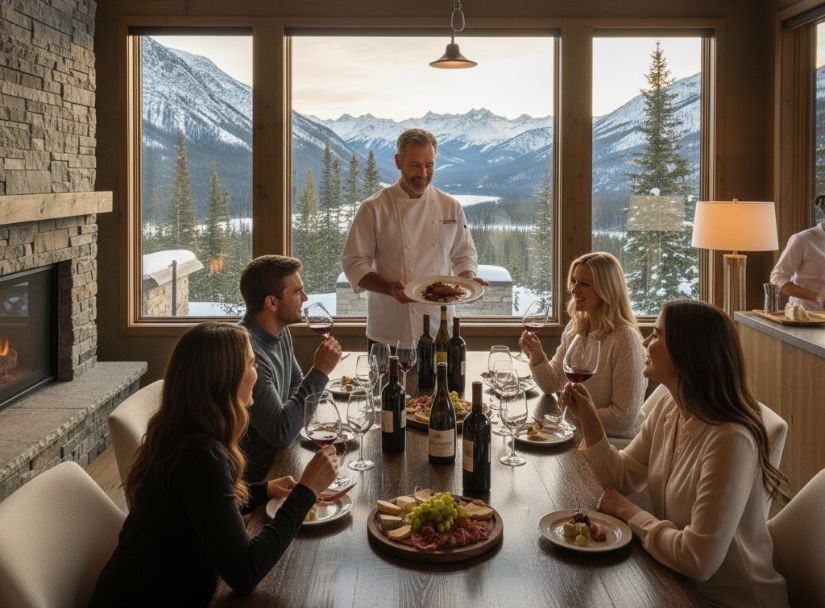
The benefits extend beyond the food itself. With a private chef managing the kitchen, you can focus on hosting, guiding the wine tasting, and enjoying time with your guests. No more racing between the stove and the tasting table, or worrying whether the cheese course is perfectly plated. Your chef handles timing, temperature, and presentation, ensuring each pairing arrives at the ideal moment in your tasting progression.
Private chefs can also accommodate dietary restrictions and preferences seamlessly, something that’s often challenging when planning a multi-course tasting menu on your own. Whether you have guests who are vegetarian, gluten-free, or have other dietary needs, a professional chef adapts the menu while maintaining the sophisticated pairing experience.
Essential supplies and setup for a wine tasting party at home
Even with a private chef handling the food, you’ll need proper equipment for the wine tasting itself:
Glassware: ideally, provide two glasses per person, one for white wines and rosés, another for reds. If that’s not possible, plan for thorough rinsing between wines, or use one glass and taste in a logical progression from light to heavy.
Dump buckets: provide vessels for guests to discard excess wine. This isn’t just for wine snobs, it’s practical when tasting multiple wines and guests want to pace themselves.
Water and palate cleansers: offer still water and plain crackers or bread to help guests reset their palates between wines.
Scorecards and pens: create or print tasting notes sheets where guests can record their impressions, rate wines, and jot down favourites they’d like to purchase later.
Proper temperature: serve sparkling wines well-chilled (6-8 °C), white wines cool (7-10 °C), and red wines at cellar temperature (16-20 °C). Open and decant full-bodied reds 30–60 minutes before serving.
A great wine tasting party starts with the right atmosphere
Set the mood with thoughtful details. Arrange comfortable seating where everyone can see and hear each other. Soft background music creates ambiance without overwhelming conversation. Good lighting is essential, guests need to see the wine’s colour and clarity, which are important aspects of evaluation.
If you’re doing a blind tasting, conceal bottles in wine gift bags or wrap them in decorative paper. Blind tastings add an element of surprise and fun, removing preconceptions about price or reputation. Create a rating system, letter grades or numerical scores, and reveal the wines at the end to see who identified their favourites.
Create a memorable wine tasting party!
The beauty of hosting a wine tasting party at home lies in its combination of sophistication and intimacy. You’re creating an experience that feels special yet comfortable, educational yet social.
By focusing on Canadian wines, you’re celebrating the incredible quality of domestic production while supporting local winemakers. And by hiring a private chef through Take a Chef, you’re ensuring that every element, from the first pour to the last bite, is executed flawlessly.
Whether you’re marking a special occasion or simply gathering friends, a wine tasting party offers something rare: an opportunity to slow down, savour, and connect. With thoughtful planning, quality wines, and expert culinary support, you’ll create an evening your guests will talk about for months to come, and probably ask when you’re hosting the next one.