
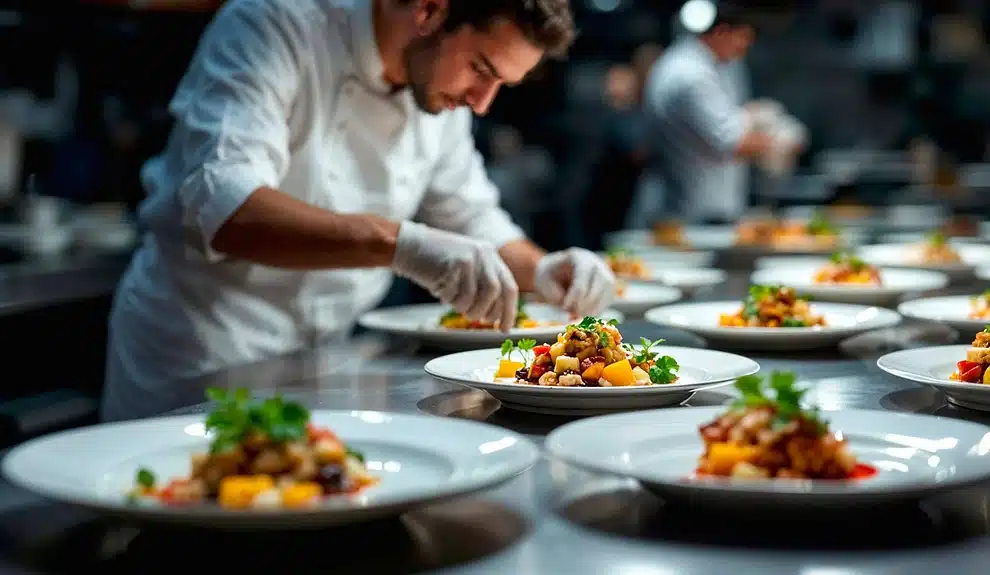
Thinking about trading 14-hour line shifts for clients who actually savor your craft? Private cheffing isn’t a niche side gig anymore. In the United States, the personal chef services market is already worth billions and is projected to keep expanding, while overall chef employment is set to rise through the next decade. If you’ve been Googling how to become a private chef or wondering how much a private chef earns, you’re in the right place.
This guide walks you through the whole path: what a private chef actually does today, current earning ranges by experience and service type, the skills that matter, how to build proof fast, and simple ways to scale from a few gigs to a reliable monthly pipeline. You’ll get rate benchmarks, profile checklists, and playbooks for repeat clients and seasonal spikes. The goal is practical: help you pick your lane, set fair prices, and book more of the work you want.
Table of Contents
What Is a Private Chef?
So what does a private chef actually do today? In short: you design custom menus, shop smart, cook in the client’s kitchen, plate like a pro, and leave the space spotless. You’re part culinarian, part host, part project manager. The work blends creativity with service, and the setting swaps the rush of a line for the intimacy of a home or venue.
Private Chef vs Personal Chef vs Household Cook
If you’re thinking about making the jump into private cooking, it helps to understand exactly what each role involves. I’ve worked with chefs in all three categories, and honestly, the lines can get blurry sometimes, but here’s how they typically break down:
Private Chef
Think of this as the “all-in” option. You’re usually working closely with one family or maybe a couple of regular clients who become like extended family. These folks want something special, maybe they’re following a specific diet, hosting important dinners, or they travel a lot and need someone who can adapt on the fly.
What you’ll actually be doing day-to-day:
- Planning weekly menus (and yes, changing them when the kids decide they hate salmon)
- Shopping for the best ingredients within budget
- Cooking, plating, and making everything look restaurant-quality
- Cleaning up afterward (no kitchen fairy does this part)
- Sometimes coordinating with other staff if it’s a bigger household
The education piece? Look, culinary school helps and restaurant experience definitely counts, but I’ve seen self-taught chefs absolutely crush it because they understood what their clients actually wanted. Results speak louder than diplomas in this world.
Money-wise, this is where you can earn the most per client since you’re providing that premium, personalized service. We’ll get into the actual numbers shortly.
Maximize your earning potential as a private chef
Join Take a Chef and connect with clients seeking exceptional culinary experiences. Set your own rates, choose your bookings, and build a thriving private chef career on your terms.
Personal Chef
This is more like running a small business where you juggle several clients throughout the week. You might cook a week’s worth of meals for one family on Monday, then do a dinner party for another client on Wednesday. It’s all about being organized and efficient.
Your typical week might include:
- Rotating between different clients and their preferred styles
- Batch cooking meals that reheat well
- Proper labeling and storage (trust me, this matters more than you think)
- Handling smaller events and intimate gatherings
Restaurant or catering experience really shines here because you’re used to managing multiple orders and timing everything perfectly. Food safety certification is usually non-negotiable.
The pay can be really good if you get your routes down and learn how to add value with extras like wine pairings or cooking lessons.
Household Cook
This is the most traditional employee setup, you’re part of the household staff with regular hours and steady pay. Think of it as being the family’s dedicated kitchen person rather than a chef they hire for special occasions.
Day-to-day, you’re handling:
- Regular family meals (breakfast, lunch, dinner depending on the arrangement)
- Keeping snacks stocked for kids or specific dietary needs
- Managing the pantry and making sure nothing goes to waste
Education requirements vary wildly here. Some families care more about whether you mesh well with their routine and can make their kids actually eat vegetables than whether you went to culinary school.
The beauty of this role is the stability, regular hours, predictable income, and you really get to know the family’s preferences inside and out.
Common Types of Private Chef Opportunities Available Today
These are the most common booking requests chefs are getting today, based on our internal booking data.

Most Requested Cuisine Types
Surprise
Our favorite clients. They’ll tell you “just make something amazing” and give you their dietary restrictions and preferences. It’s like getting a blank canvas to work with.
Local
Clients want to experience the authentic flavors of their city or region. Think deep-dish pizza in Chicago, BBQ in Texas, or fresh seafood in Maine. It’s about showcasing what the area is actually known for, not just what’s trendy.
Italian
Never goes out of style. Could be as simple as perfect cacio e pepe or as elaborate as a five-course regional tour through Italy. People just feel good eating Italian food.
Mediterranean
The “I want to eat healthy but still enjoy myself” crowd. Lots of olive oil, grilled fish, and colorful vegetables. It photographs beautifully too, which clients love.
Seafood/Fish
Huge in coastal areas, obviously, but even inland clients get excited about a good fish dinner. Raw bars are having a moment, especially for summer parties.
Japanese
This one requires some serious knife skills, but if you can pull off sushi or a proper teppanyaki show, you’ll never hurt for bookings. Clients are willing to pay premium for authentic technique.
French
The classics never die. Whether it’s a rustic coq au vin or something more refined, French cooking still impresses people. Just don’t get too fancy with the pronunciation.
Latin American
So much fun to cook and eat. Think big flavors, family-style serving, and everyone getting involved. Taco bars and ceviche stations are crowd-pleasers.
Most Popular Occasions
Birthday
Bread and butter bookings. Everyone wants their special day to feel, well, special. The key is finding out what birthday person actually loves, not what sounds impressive.
Friends Gathering
These are usually the most relaxed gigs. Good group of friends, good wine, good conversation. You’re basically facilitating a great night without the restaurant hassle.
Romantic Night
Pressure’s on to set the mood, but it’s also really rewarding when you nail it. Candlelight, wine pairings, maybe some chocolate-covered strawberries. Classic never fails.
Bachelor/Bachelorette
Can go either way, super fancy or totally casual and fun. You can do everything from formal multi-course dinners to interactive cooking parties where everyone gets involved.
Family Reunion
These can be challenging because you’re cooking for three generations with totally different tastes. But when you see the whole family actually enjoying the same meal, it’s pretty special.
Corporate
The money’s usually good, but everything has to be perfect and on time. No room for experimentation here, stick with what you know works.
Foodie Adventure
These clients read every food magazine and watch every cooking show. They want to try that technique they saw on Netflix or taste ingredients they can’t pronounce. Keep you on your toes for sure.
How Much Does a Private Chef Earn in the US?
It depends on how you structure your work. The market is healthy, and chefs who package services clearly and keep a tight operation see strong, predictable income. See this breakdown of monthly private chef costs.
Variables that move your number up
Market and niche
Coastal metros and vacation hubs pay more. So do dietary expertise niches like gluten-free pastry, low-FODMAP or athlete macros. Recent lifestyle coverage echoes that premium private cheffing rewards specialization and consistency.
Seasonality and availability
Holidays, summer rentals and corporate offsites spike demand. Keep flexible inventory lists and prep templates so you can say yes without chaos.
Proof and reviews
Clean photo sets, clear menus and fast replies convert more quotes into bookings, which lifts your effective hourly rate without raising sticker price.
How to Become a Private Chef: Step-by-Step
Essential skills and background you need
You already speak kitchen. Now translate it to the home. Here is the skill set that makes private cheffing run smoothly and keeps clients rebooking.
Solid culinary base
Knife work, sauces, seasoning control, and the ability to scale recipes for 2 to 12 guests without losing balance. Restaurant or catering experience helps, but what clients notice is flavor, consistency, and calm service.
Food safety and hygiene
Current certification, airtight cold chain habits, spotless stations, and clear labeling.
Menu planning
Building short, flexible menus that travel well, account for dietary needs, and use overlapping mise so your prep is efficient.
Sourcing and budgeting
Knowing where to buy great produce and proteins on a timeline, and pricing so your labor margin stays intact.
Timing and logistics
Backward planning from service time, packing lists, rental coordination, and a plan B for small kitchen surprises.
Client service
Friendly, confident communication, neat appearance, and the ability to read the room. You are the chef and the host experience in one.
You do not need Michelin stars. You need clean execution, a reliable process, and a profile that proves it with photos and reviews.
Building your professional reputation
Think in phases. Give yourself clear targets and let momentum compound.
Phase 1: Skill and proof, months 1 to 6
Refine 3 to 5 signature menus that show range. Cook for friends or peers and collect two sentence testimonials. Shoot simple, well lit photos of your best plates and a few action shots. Write a short bio that sounds like you and highlights cuisines you love, dietary knowledge, and any awards or notable kitchens.
Phase 2: First clients, months 6 to 12
Publish your chef profile and set competitive starter rates. Reply quickly to inquiries, offer a short menu consultation, and make service day frictionless from arrival to cleanup. After each booking, ask for a specific review line about flavor, service, or presentation. Three to five strong reviews change your close rate noticeably.
Phase 3: Scale and specialize, year 2 and beyond
Raise rates as demand and reviews climb. Add premium formats like tasting menus, wine pairings with a sommelier partner, or wellness focused meal prep. Track what gets requested most and lean into it. Protect your calendar with minimums and a simple travel fee grid so growth stays sustainable.
What to Expect as a Private Chef
Private cheffing blends restaurant discipline with in-home hospitality. Your week is a mix of cooking, planning, shopping, and a bit of admin. The payoff is direct feedback from guests who can taste the care in every course.
A typical week, without the guesswork
- Menu planning: short, flexible menus built around client tastes and dietary needs. Expect quick iterations by message or a brief call.
- Sourcing: smart routes through your best markets and butchers. You will track costs tighter than in a restaurant so your margin stays healthy.
- Prep and pack: tight mise, labeled containers, and a standard kit so you are never hunting for a strainer in a stranger’s kitchen.
- On-site service: cook in the client’s space, plate cleanly, manage pacing, and leave the kitchen spotless.
- Follow-up: thank-you note, review request, and a gentle invitation to book the next date.
The work environment
Home kitchens vary. One night you are on a Wolf range, the next you are coaxing heat from an electric stove. Bring a lean, reliable kit: knives, probes, small tools, a couple of pans you trust, service tweezers, torch, and thermometer. Assume limited counter space. Think vertically with sheet trays and racks. Expect pets, kids, and curious guests. Grace under pressure is part of the craft.
Client communication that keeps the night smooth
Set scope early. Confirm headcount, allergies, service style, start and serve times, cleanup expectations, and what tableware exists on site. Share a simple plan for leftovers. Get access details in writing, including parking and building rules. Day of, send a quick en-route text and a photo of your packed kit to build confidence.
Hours, seasonality, and energy
Evenings, weekends, and holidays are prime. Summer rentals and December celebrations can fill a calendar. Between spikes, recurring meal prep days create stability. Expect physical work: stairs, loading, standing long stretches. Protect your body with smart packing, slip-resistant shoes, and reasonable turn times between events.
Money flow you can predict
Income tends to arrive in larger chunks around events, with steady retainers from repeat households. A clean quote should separate labor from food and include travel or rush rules. Deposits and clear cancellation terms protect your week. Track your effective hourly rate on each job so you know when to adjust pricing or format.
Professional standards clients notice
- Punctual arrival and tidy station
- Calm, friendly presence and discreet service
- Consistent seasoning and hot food hot, cold food cold
- Kitchen left cleaner than you found it
- Respect for privacy and photo permissions
Common friction points and how pros handle them
- Small or poorly equipped kitchens: simplify execution and pre-portion where smart.
- Last-minute guest changes: price an add-a-guest unit and communicate cutoffs.
- Dietary pivots day of: keep a neutral base course ready to adapt.
- Time drift: build 10 to 15 minutes of buffer into your pacing and confirm serve time twice.
Niches That Let You Charge More
A clear niche is a magnet for higher-spend clients. Pick one or two lanes, show undeniable proof, and your close rate jumps.
| Niche | Positioning & notes |
|---|---|
| Performance and wellness cooking | Athlete macros, strength goals, postpartum recovery, low glycemic plans. Show weekly menu cycles and a simple intake form so clients feel guided from day one. |
| Medical-safe and allergy-aware menus | Celiac-safe, low FODMAP, dairy-free, peanut-free workflows. Photograph separate prep, color-coded containers, and labeling. Spell out cross-contact controls in your profile. |
| Chef’s table and tasting menus at home | Five to eight courses, story-driven plates, optional beverage pairings. Guests pay for pacing, narrative, and pristine execution. Limit seats and set a firm minimum. |
| Sushi and raw-bar experiences | Omakase flights, crudo, ceviche. Food safety chops and knife showmanship sell here. Keep a short, seasonal roster of fish and clear sourcing notes. |
| Live-fire and outdoor dinners | Backyard grills, planchas, smokers. Premium meats and vegetables, dramatic finishing at the table, and a cleanup plan that leaves no trace. |
| Regional heritage and diasporic cuisines | Mexican coastal, Sichuan, Levantine, West African, Southern Italian, Filipino Kamayan, and more. Lead with specificity and technique, not a long list of countries. |
| Vegetable-forward and plant-based fine dining | Multi-course menus with fermented elements, nut cheeses, and composed salads. Great for eco-minded hosts and wellness clients. |
| Pastry-driven celebrations | Savory courses plus a signature dessert cart or custom cake. Bundles like plated dessert upgrades, petit fours, or chocolate work increase ticket size. |
| Wine-paired dinners with a beverage pro | Partner with a sommelier or certified specialist. Offer a simple pairing tier with tasting notes and glassware guidance. |
| Luxury sourcing and rare ingredients | Spot prawns, dry-aged beef, truffles, caviar service. Present transparent market pricing and a handling fee so margins stay steady. |
Professional Success Tips from Take A Chef’s Top Chefs
Winning consistent bookings on a marketplace comes down to three things: proof, speed, and a smooth guest experience. Chefs who treat their profile like a storefront, answer quickly, and run clean events rarely see empty weeks.
Start with the profile that sells while you sleep.
Lead with a striking hero image, then a tight gallery of well lit plates that shows range without feeling random. Publish three signature menus with clear course counts and a simple way to scale headcount. Keep your bio short and human, highlight cuisines you love and any dietary strengths, and state your service area. Frame pricing so clients understand labor vs ingredients and add a small note on travel or rush rules. Clarity builds trust before you ever message.
Speed matters.
Keep notifications on during peak hours and reply with confidence. In the first message, confirm the occasion, headcount, date, serve time, allergies, and what the kitchen has on hand. Offer one or two menu ideas right away so the client reacts to real options instead of starting from zero. The tone should be warm, direct, and specific.
Quote to win, not to chase.
Present a clean breakdown: labor for planning, shopping, cooking, and cleanup, ingredients at cost, and any travel or holiday premium. Add a deposit and a straightforward cancellation policy so your week is protected. Guests appreciate transparency, and you protect your effective hourly.
Treat every home like a new line.
Pack a reliable core kit and label your mise so you are never fishing for tools in an unfamiliar drawer. Arrive early enough to map burners, oven temp, counter space, and plating flow. Keep your station tidy, stage leftovers neatly, and leave the kitchen cleaner than you found it. These details get mentioned in reviews more than you might think.
Service style is your signature.
Pacing should feel effortless, plates should arrive hot or cold as intended, and your table touch should be friendly without taking over the room. Be ready to talk sourcing or technique if asked, then slip right back into the rhythm of service.
Close the loop the same night.
Send a quick thank you with a menu recap and a gentle review request. Pin the best lines at the top of your profile and invite the host to pre-hold dates for a birthday, anniversary, or seasonal menu. Repeat business will lift your average month faster than raising rates alone.
Track a few simple KPI
The idea of this is to improve with intention: response time, quote to booking rate, average ticket size, repeat client rate, and how fresh your photo set is. Small weekly tweaks compound into a packed calendar.
Dos and Don’ts of Costing and Recipe Scaling

Great food is half the job. The other half is a system that travels with you and protects your margin. Private chefs who switch from paper binders to digital recipes, track real yields, and scale menus precisely cut waste, quote with confidence, and deliver consistent results in any kitchen.
Recipe workflow that lives on your phone.
Store recipes digitally so you can pull them up table side, share a link with clients after a lesson, and keep freelancers aligned on events. Odd guest counts stop being a headache when you can scale portions on the fly. This is exactly why experienced personal chefs advocate digital recipes over journals and loose pages.
Costing that reflects reality.
Never price a dish as if every ounce makes it to the plate. Peel loss, trim, moisture loss and shrink change your true ingredient cost. When you factor realistic yields, that “$1.23 per lb onion” behaves like $1.57, and herbs can double in cost once you pick the stems off. Build pricing on actual yield so your labor margin stays healthy.
Consistency at any headcount.
Scaling is more than multiplying. Some ingredients need nuance, and accurate conversions keep taste, texture, and portion size steady from four guests to fourteen. Treat conversions as a core skill or use a recipe tool to do the math for you and reduce waste.
Privacy and house rules belong in your system.
NDAs are common in private cheffing, and you will often work solo, cooking and cleaning without a support team. Bake those realities into your workflow: a simple confidentiality clause in proposals, a checklist for arrival and cleanup, and clear language in quotes about scope.
FAQs for Chefs Going Private
What does a private chef actually do?
Plan menus, shop, cook in the client’s kitchen, plate with polish, and leave the space spotless. You are the culinarian and the host experience in one.
Private chef vs personal chef, what is the difference?
Private chefs focus on one household or a tight roster of regulars. Personal chefs rotate across multiple clients, often with meal prep plus small events. Both paths work on Take a Chef.
Do I need culinary school?
Helpful, not mandatory. Clients care about flavor, consistency, and calm service. Strong restaurant or catering experience plus food safety certs goes a long way.
How much can I earn in the US?
Many chefs target $65k to $90k with six figures in premium markets or with travel and tasting menus. Your mix of events, retainers, and add-ons shifts the number.
How should I price my services?
Separate labor from ingredients. Set a clear hourly target for planning, shopping, cooking, and cleanup. Add food at cost, then travel or rush fees as needed. Round to a clean event price with an add-a-guest amount.
What gear should I bring to homes?
Reliable knives, probes, small tools, a couple of trusted pans, towels, disposable gloves, bins, labels, and a torch. Pack a lean kit that covers weak home kitchens.
How do I handle allergies and dietary needs?
Confirm details in writing, color code containers, label clearly, and keep a neutral base course ready. Photograph separate prep if you work in medical-safe niches.
What specializations pay more?
Wellness and athlete menus, celiac-safe and allergy-aware cooking, chef’s table tasting menus, sushi or raw bar, live-fire dinners, and luxury sourcing. Pick one or two lanes and show proof.
How do I find my first clients?
Publish a strong profile with three signature menus and crisp photos. Reply fast with two menu ideas and a clear quote. After each event, ask for a short review line about flavor or service.
What should a clean quote include?
Labor, ingredients at cost, travel or holiday premiums, deposit amount, cancellation terms, and what cleanup covers. Short, direct language wins trust.
Do I need insurance or permits?
Carry liability insurance and keep food handlers or ServSafe up to date. Local rules vary by city and state, so check requirements where you operate.
How do I handle deposits and cancellations?
Collect a deposit at booking and set simple timelines for changes or refunds. Clear rules protect your week and reduce awkward conversations.
How do I keep margins healthy?
Track real yields, not just purchase weight. Cost recipes with trim and moisture loss in mind. Use overlapping mise across menus and keep a tight shopping route.
How many photos do I need on my profile?
A hero image that stops the scroll plus a small gallery of sharp, well lit plates. Show range without a random mix. Update the set every few months.
What does a typical week look like?
Menu planning and shopping early in the week, events or meal prep days mid to late week, admin and photo refresh in between. Evenings and weekends carry most service.
How do I manage small or poorly equipped kitchens?
Simplify execution, pre portion where smart, and bring your core kit. Map burners, oven temp, and plating zones on arrival.
How do I turn one booking into three?
Deliver a smooth night, send a same day thank you with a menu recap, ask for a quick review, and offer to hold dates for an upcoming occasion.
Maximize your earning potential as a private chef
Join Take a Chef and connect with clients seeking exceptional culinary experiences. Set your own rates, choose your bookings, and build a thriving private chef career on your terms.