
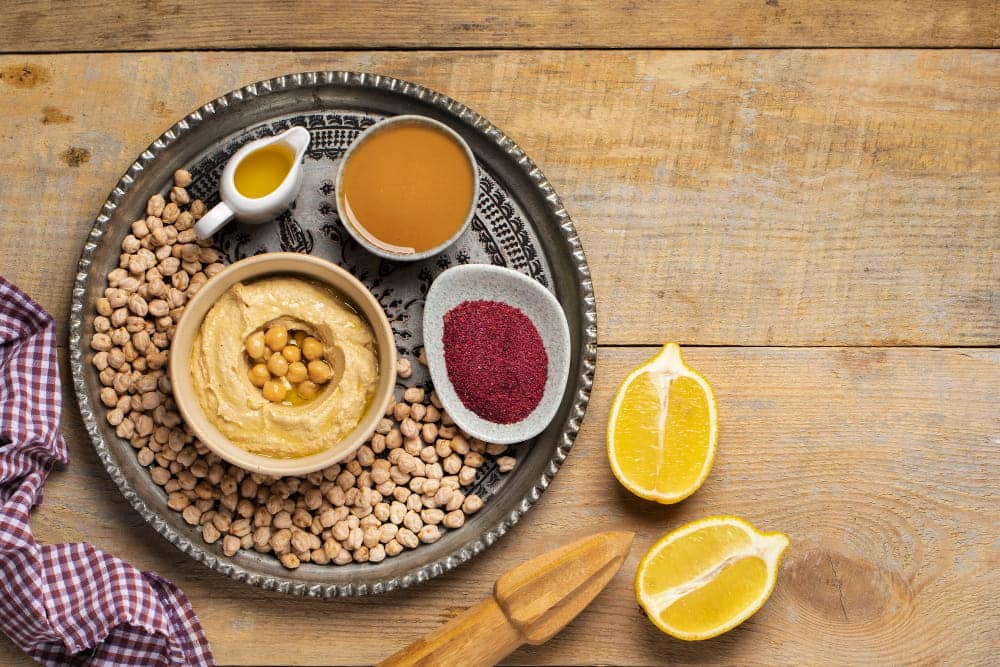
Kosher food follows dietary rules based on Jewish traditions, telling which foods are allowed and how they should be made and served. Even though these rules are very important for religious reasons, kosher meals have become popular among people looking for high-quality, ethically sourced options.
But what are these rules? How can you tell if you’re eating kosher? In this guide, we will answer all the essential questions about the kosher diet. Plus, we will share five tasty kosher menu ideas to help you create a great dining experience.
Table of Contents
What is kosher?
Kosher food adheres to Jewish dietary laws, known as kashrut, which specify what foods can be eaten and how they must be processed and prepared. These laws primarily regulate:
- Meat: Only certain animals (such as cows, sheep, and poultry) are kosher, and they must be slaughtered according to specific guidelines.
What foods are not kosher?
If you’re new to the kosher diet, consider that the Jewish faith forbids these foods:
- Animals like pork, rabbits, camels, and horses.
Kosher vs. Halal
While both kosher and halal dietary laws come from religious traditions and share similarities, they also exhibit distinct differences:
| Aspect | Kosher (Jewish) | Halal (Islamic) |
|---|---|---|
| Meat | It must be slaughtered by a trained Jewish individual known as a shochet, with a single cut to the throat. | Must be slaughtered by a Muslim person while invoking God’s name. |
| Dairy and meat | They must be strictly separated. | No restrictions. |
| Seafood | Only fish with fins and scales are kosher. | All seafood is halal except for shellfish in some interpretations. |
| Alcohol | Wine must be supervised and certified kosher. | Strictly prohibited. |
How do you prepare a kosher meal?
Preparing a kosher meal involves more than choosing the right ingredients; it requires careful preparation, serving, and kitchen organization.
What is required for a kosher meal?
First of all, let’s see what it takes to have an authentic kosher diet:
- Use only kosher-certified ingredients (look for symbols like OU, OK, or Star-K)
How should kosher meals be served?
When it comes to serving, kosher food rules state that:
- Meat and dairy must remain separated.
These basic rules are essential for cooking and serving according to Jewish traditions. If you’re new to this diet or hosting large gatherings, hiring a private kosher chef will ensure every meal meets traditional standards. Enjoy stress-free gatherings with one of our skilled chefs!

3 easy kosher dinner recipes
Ready to get started? Here are some simple yet delicious dinner recipes you can prepare at home.
1. Lemon Herb Chicken with Roasted Vegetables
This recipe uses kosher meat.
Ingredients:
- 4 boneless, skinless chicken breasts
Instructions:
- Preheat the oven to 400°F (200°C).
- In a bowl, mix olive oil, garlic, lemon juice, oregano, paprika, salt, and pepper.
- Toss the chicken and vegetables in the mixture.
- Arrange everything on a baking sheet and roast for 25 to 30 minutes, or until the chicken is cooked through.
2. Spaghetti with Garlic & Olive Oil
This recipe uses pareve.
Ingredients:
- 12 oz of spaghetti
- ¼ cup of olive oil
- 4 cloves of garlic, thinly sliced
- ½ teaspoon of red pepper flakes (optional)
- ¼ cup of chopped fresh parsley
- Salt, to taste
- Optional: Grated kosher-certified Parmesan
Instructions:
- Cook spaghetti following the package instructions. Drain and set aside.
- In a pan, heat olive oil over medium heat and sauté the garlic until it turns golden.
- Add red pepper flakes, then toss in the cooked pasta.
- Stir in chopped parsley, season with salt, and serve warm.
3. Baked Salmon with Dill & Mustard Sauce
This recipe uses fish and dairy.Ingredients:
- 4 salmon fillets
- 2 tablespoons Dijon mustard
- 1 tablespoon honey
- 1 tablespoon olive oil
- 1 teaspoon dried dill (or 1 tablespoon fresh)
- Salt and pepper to taste
Instructions:
- Preheat the oven to 375°F (190°C).
- Mix mustard, honey, olive oil, dill, salt, and pepper in a small bowl.
- Spread the mixture over the salmon fillets.
- Bake for 12 to 15 minutes, or until the salmon flakes easily with a fork.
5 gourmet ideas for a curated kosher menu
Now that you know the essentials, let’s dive into the gourmet kosher recipes!
1. Mediterranean Kosher Feast
Ideal for a summer dinner party, a light yet elegant meal, or enthusiasts of bright, citrusy flavors.
- Starter: Hummus with warm pita and Israeli salad
- Main: Grilled salmon with tahini sauce and roasted eggplant
- Dessert: Dairy-free almond and date cookies
2. Traditional Shabbat Dinner
Perfect for Friday night gatherings, a cozy family meal, or a special occasion where tradition blends with flavor.
- Starter: Matzo ball soup
- Main: Slow-roasted brisket with roasted root vegetables
- Dessert: Flourless chocolate cake
3. Modern Plant-Based Kosher Menu
A wellness-focused meal. Excellent for vegan and vegetarian guests or those looking to explore meatless kosher food.
- Starter: Roasted cauliflower with turmeric and tahini drizzle
- Main: Lentil and quinoa-stuffed peppers
- Dessert: Coconut macaroons
4. Classic Ashkenazi Comfort Food
A fall or winter meal that celebrates Jewish heritage or satisfies anyone craving home-style comfort food that follows kosher rules.
- Starter: Potato latkes with applesauce
- Main: Stuffed cabbage rolls
- Dessert: Rugelach (dairy-free version)
5. Elegant Kosher Seafood Dinner
This menu is ideal for a romantic dinner, special occasions, or impressing guests with sophisticated kosher food.
- Starter: Smoked salmon with dill and capers on rye crackers
- Main: Grilled sea bass with herb-infused couscous
- Dessert: Poached pears with honey and cinnamon

Kosher food isn’t only about following dietary rules; it’s also about enjoying a rich cooking tradition that combines values, ethics, and creativity. By learning the basics of kosher rules and how to prepare meals, you can savor delicious and carefully made dishes that follow Jewish dietary guidelines.
Whether you’re exploring kosher cuisine for religious reasons or simply out of curiosity, these meal ideas offer different alternatives as a starting point for a satisfying kosher dining experience. If you need help, especially with making the kosher gourmet meals, book a private chef to enjoy the best version of your selected dish.