
Key Takeaways
TL;DR: Plant-based eating favors fresh, whole foods over processed foods and animal products, in styles from vegan and vegetarian to Mediterranean, pescatarian and flexitarian, built on vegetables, fruits, whole grains, plant oils and plant proteins, and it can be every bit as gourmet as any other cuisine.
- The diets: Vegan excludes all animal products, vegetarian keeps dairy and eggs, pescatarian adds fish and seafood, Mediterranean includes fish, some dairy and occasional white meat, and flexitarian is mostly plant-based with occasional meat or fish.
- What to eat: Leafy greens, carrots, zucchini, eggplant, sweet potatoes and mushrooms, fruits, quinoa, brown rice and oats, olive, avocado or sesame oil, and proteins such as lentils, chickpeas, black beans, tofu, tempeh and seitan.
- Why it helps: It encourages less processed ingredients, and plant-based foods generate fewer greenhouse gases and use less water and land than meat production.
- Gourmet plant-based: High-quality produce and hand-crafted tofu, techniques like fermentation, smoke infusion and sous-vide vegetables, minimalist, layered plating and creative flavor pairings, as at Michelin-starred KLE in Zurich and Seven Swans in Frankfurt.
- Getting started: Swap in a few plant-based substitutes each week, such as lentils for ground beef, go meatless one night a week, choose fruit for dessert and plan the week’s meals, or book a private chef to cook and teach alongside you.
Índice
What is plant-based food?
It’s all about actively choosing fresh and whole foods over processed foods and animal products. There are different ways to approach this lifestyle, depending on personal preferences.
Let’s take a look at the most popular plant-based diets:
- Mediterranean: focuses on fruits, veggies, whole grains, nuts, and olive oil. Includes fish, some dairy, and occasionally white meat, but limits red meat.
- Vegan: 100% plant-based—no meat, dairy, eggs, or animal-derived ingredients.
- Vegetarian: no meat or fish, but dairy and eggs are still on the table.
- Pescatarian: similar to vegetarian but includes fish and seafood. Often paired with dairy and eggs, but no red or white meat.
- Flexitarian: a mostly plant-based diet with occasional meat or fish.
The last plant-based food option is perfect if you want to cut back on animal products without fully giving them up.
5 examples of plant-based foods
Here is a list of foods for a plant-based diet:
1. Vegetables
To add vitamins, minerals, and antioxidants to your diet, look for options such as spinach, arugula, carrots, zucchini, eggplant, sweet potatoes, and mushrooms.
2. Fruits
These are great sources of fiber and natural sugars: strawberries, blueberries, oranges, lemons, mango, pineapple, papaya, and banana.
3. Whole grains
Quinoa, brown rice, oats, whole wheat bread, and pasta are rich in complex carbs and fiber. They will provide you with long-lasting energy when starting a plant-based diet.
4. Plant oils
We suggest including olive, coconut, avocado, sunflower, or sesame oil in your new plant-based meal plan. Each has unique benefits that will boost your health completely!
5. Protein foods
Plant-based protein foods are nonnegotiable as they support muscle growth and recovery and are rich in essential nutrients. Look for lentils, chickpeas, black beans, tofu and tempeh, seitan, and nut butters.

What are the benefits of plant-based cuisine?
Plant-based foods promote conscious eating, encouraging you to explore less processed ingredients that come from organic sources. Over time, you will see significant improvements in your health.
Additionally, plant-based foods generate fewer greenhouse gases than animal products and use less water and land than meat production.
Can plant-based food be gourmet?
Sure it can! A plant-based gourmet menu masters four points:
- High-quality ingredients: Especially fresh and organic vegetables, artisanal ingredients, and premium plant-based proteins, as hand-crafted tofu.
- Creative cooking techniques: The most acknowledged include fermentation, smoke infusion, emulsions, and sous-vide vegetables.
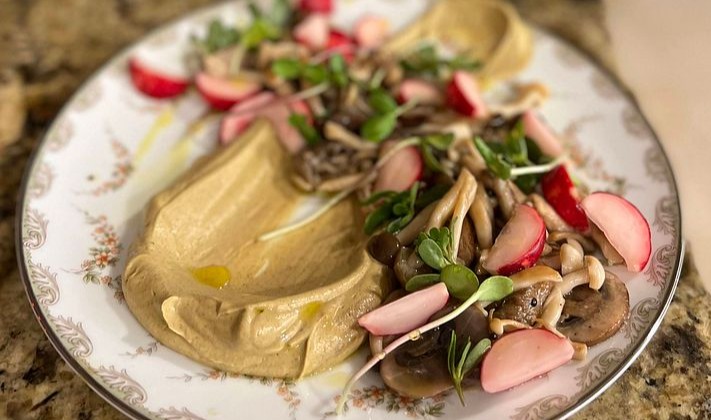
- Elevated presentation: When it comes to gourmet options, chefs surprise with minimalist plating, textures and colors, layering, and height.
- Flavor combinations: As an effect of international influences, sweet and savory pairings and infused oils and salts are common in plant-based cuisine.
Try this fine-dining experience at home by hiring one of our vegan private chefs.
Plant-based restaurants awarded Michelin stars
1. Eleven Madison Park (New York City, United States) – Chef Daniel Humm
The restaurant held three Michelin stars before adopting a fully plant-based menu. In 2021, while retaining the stars, it became the first plant-based gourmet restaurant to receive this honor
2. KLE (Zurich, Switzerland) – Chef Zineb Hattab
KLE is a vegan restaurant awarded a Michelin star and a Green Star for its commitment to sustainability.
3. Seven Swans (Frankfurt, Germany) – Chef Ricky Saward
This vegan restaurant has earned a Michelin star and is known for sourcing ingredients from its permaculture garden.
4. Plates (London, United Kingdom) – Chef Kirk Haworth
Became the first vegan restaurant in the U.K. to be awarded a Michelin star, offering a seven-course plant-based gourmet menu.
What is the fastest way to develop a plant-based diet?
Here are some tips to easily introduce plant-based foods to your diet:
Start with small adjustments
You don’t have to fully commit to a plant-based diet right from the beginning. Cutting out all meats or animal products abruptly can be difficult to maintain in the long run if you start too harshly. Instead, consider the following:
Choose a few plant-based substitutes to incorporate each week. For example, lentils make a fantastic alternative to ground beef.
Include more vegetables. You can have a side salad with your main meal or enjoy a full salad. Remember that salads are most enjoyable when they combine different flavors and textures!
Prepare a vegetarian meal at least one night each week. Begin with Meatless Monday and gradually incorporate additional days into your meal plan.
Choose fruit for dessert. Seek out juicy and flavorful natural options to satisfy your sweet cravings throughout the day.
Meal prep
After slightly adjusting your diet, we recommend planning plant-based foods for the week ahead. When planning meals for a whole-food, plant-based diet, you won’t hesitate daily about what to eat, which could lead to reverting to your previous eating style.
You can save time and money by grocery shopping for an entire week instead of frequently running to the store or ordering takeout!
| Meal | Recipe | Ingredients | Instructions |
|---|---|---|---|
| Breakfast | Avocado toast with chickpeas | Whole grain bread, avocado, canned chickpeas, lemon juice, chili flakes | Mash the avocado and combine it with lemon juice. Spread the mixture on the toast and garnish it with chickpeas and chili flakes. |
| Lunch | Mediterranean quinoa bowl | Quinoa, cherry tomatoes, cucumber, olives, chickpeas, hummus, lemon dressing | Cook the quinoa and mix it with the veggies. Add chickpeas and drizzle with lemon dressing. Serve with hummus. |
| Dinner | Stir-fried tofu & veggies | Firm tofu, bell peppers, broccoli, soy sauce, garlic, sesame oil | Sauté the tofu until golden brown, then add vegetables, soy sauce, and garlic. Finish it off with sesame oil. |
Hire a private chef
However, the best and easiest way to begin a plant-based diet is to hire an organic private chef! At Take a Chef, our talented team is dedicated to crafting personalized menus that perfectly match your preferences, using the finest ingredients and cooking techniques.
Plus, our private chef service also offers a hands-on experience. You’ll get to cook alongside the chef and learn more about organic cooking techniques. Feel free to ask for tips to embark on this journey!