
Key Takeaways
TL;DR: A wine tasting party at home works best with six to ten guests, three to five wines tasted from sparkling to dry whites, rosés and reds, a theme such as American sparkling against Champagne, proper glassware, water and palate cleansers, and a private chef pairing a dish with each wine.
- American themes: Compare traditional-method sparkling wines from California, Oregon and New Mexico, set Napa Valley against Sonoma, taste Finger Lakes Riesling or Oregon Pinot Noir, or blind-taste American sparkling against Champagne.
- Quantities and order: Budget one 750 ml bottle per six guests for each wine, and serve sparkling first, then dry whites, rosés and reds from lightest to fullest-bodied.
- Serving temperatures: Serve sparkling wine well chilled at 43-46°F (6-8°C), whites at 46-54°F (8-12°C) and reds at cellar temperature, 59-64°F (15-18°C), and open full-bodied reds 30 to 60 minutes before serving.
- Equipment: Two glasses per guest if possible, dump buckets, still water, plain crackers or French bread to reset the palate, and scorecards for notes, ratings and bottles to buy later.
- Food pairing: A private chef designs dishes around each wine, such as smoked salmon blinis or oysters with mignonette for sparkling and slow-cooked beef or aged cheddar with quince paste for reds, and adapts the menu for vegan or gluten-free guests.
Picture this: your closest friends gathered in your living room, swirling glasses of sparkling wine, discussing notes of honey and green apple, while perfectly paired canapés appear as if by magic.
Wine tasting parties have become one of the most sophisticated yet accessible ways to entertain at home, transforming an ordinary evening into an experience your guests will cherish.
With wine now made in all 50 states, there’s never been a better time to explore what’s happening in American vineyards, right from the comfort of your own home.
Índice
Why host a wine tasting party at home?
Unlike a formal dinner party that requires hours of preparation, or a casual drinks gathering that can lack structure, a wine tasting party hits the sweet spot. It gives your evening purpose and direction while keeping the atmosphere convivial and relaxed.
American wine offers remarkable range within one country: Napa Valley Cabernet Sauvignon, Oregon Pinot Noir and Finger Lakes Riesling sit alongside traditional-method sparkling wines from California and New Mexico. From Washington’s Columbia Valley to Virginia and the Texas Hill Country, American winemakers are crafting exceptional wines that deserve celebration.
Selecting your theme
Your theme shapes everything from wine selection to conversation topics. Here are some ideas built around American wine:
American sparkling showcase: focus entirely on American bubbly, comparing traditional-method sparkling wines from different regions. Contrast a California sparkling wine from Carneros or Anderson Valley with one from Oregon’s Willamette Valley, or add a bottle from New Mexico.
Regions collection: dedicate your evening to wines from a single state or region. A California night might set Napa Valley against Sonoma and Paso Robles, while a broader exploration could take in Oregon, Washington, New York’s Finger Lakes and Virginia.
Champagne vs. American sparkling: put American bubbly head-to-head with French Champagne in a blind tasting. Your guests may be surprised at how difficult it is to tell them apart, and some might prefer the American bottles.
Cool-climate whites: compare a Finger Lakes Riesling with one from Germany, or a Sonoma Coast or Oregon Chardonnay with its counterparts from Chablis or Burgundy.
West Coast reds: taste Oregon Pinot Noir against one from California, compare Napa Valley Cabernet Sauvignon with Washington’s, or explore Zinfandel, a grape that has become a California classic.
Transform your culinary dreams into reality
From interactive cooking lessons to exotic cuisine adventures, our expert chefs transform your kitchen into a world-class culinary experience.
Planning your guest list and wine selection
Intimacy matters for wine tastings. Between six and ten guests is ideal, enough for lively discussion but not so many that conversations become fragmented or guests feel overlooked.
When selecting wines, quality trumps quantity. Three to five wines allow for meaningful comparison without overwhelming palates or overindulging. Each standard 750 ml bottle provides about six generous tasting pours, so budget one bottle per six guests for each wine on your menu.
Follow the classic tasting order: sparkling wines first, then dry whites, followed by rosés, and finally reds arranged from lightest to fullest-bodied. This progression protects your palate from fatigue and lets each wine shine in its proper context.
The secret weapon for your wine tasting party: hiring a private chef
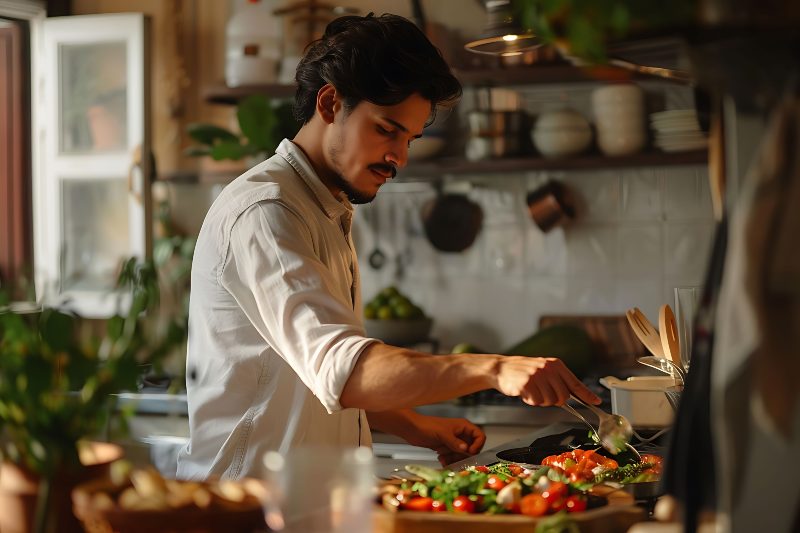
Here’s the insider tip that transforms a pleasant evening into an unforgettable experience: hire a private chef to handle the culinary side of your wine tasting party.
When you book through Take a Chef, you’re not simply outsourcing cooking, you’re bringing in a professional who understands the art of wine pairing, the rhythm of a tasting menu, and the importance of impeccable presentation. Your chef designs dishes specifically to enhance each wine you’re serving, creating harmonious pairings that make both the food and wine taste better.
Featuring sparkling wines? Your chef might prepare delicate smoked salmon blinis or oysters with mignonette. Exploring robust reds? Expect braised short ribs or aged cheddar with quince paste. The food reflects and elevates the wines, creating a cohesive narrative throughout the evening.
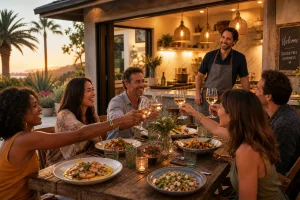
Beyond the culinary expertise, a private chef gives you the most valuable gift of all: your time. Instead of shuttling between kitchen and guests, checking timings, and plating courses, you remain present throughout the tasting.
Private chefs also handle dietary requirements with professional ease. Whether you’re accommodating vegans, guests with gluten intolerance, or other dietary needs, your chef adapts the menu while maintaining the sophistication and pairing integrity of the experience.

Essentials for a wine tasting party at home
While your private chef manages the food, you’ll need proper equipment for the wine service:
Glassware: the ideal setup provides each guest with two glasses, one for whites and sparklers, another for reds. If that’s not feasible, supply one proper wine glass per person and rinse thoroughly between wines, or simply progress logically from light to heavy wines using a single glass.
Dump buckets: don’t be squeamish about this. Providing vessels for guests to discard wine isn’t pretentious, it’s practical when tasting multiple wines and guests want to remain clear-headed.
Water and palate cleansers: offer still water (sparkling water can interfere with your perception of sparkling wine) and plain crackers or French bread to reset palates between tastings.
Tasting notes sheets: create simple scorecards where guests can record impressions, rate each wine, and note bottles they’d like to purchase later. This adds structure and creates a lovely memento of the evening.
Proper temperature: serve sparkling wines well-chilled (43-46°F, 6-8°C), white wines cool (46-54°F, 8-12°C), and red wines at cellar temperature (59-64°F, 15-18°C). Most homes are warmer than a cellar, so give your reds 15 to 20 minutes in the fridge before pouring. Open full-bodied reds 30–60 minutes before serving to let them breathe.
Setting the scene for an amazing wine tasting party
Ambience matters more than you might think. Arrange seating so everyone can see and interact with each other, a large dining table or U-shaped seating arrangement works beautifully.
Lighting should be bright enough for guests to examine wine color and clarity (essential parts of evaluation) but warm enough to feel inviting. Natural daylight is ideal for afternoon tastings; for evening events, ensure your lighting doesn’t cast yellow or blue tones that distort wine color.
Consider background music carefully, something instrumental and unobtrusive, like classical or jazz, creates atmosphere without competing for attention. This is about the wine and conversation, after all.
For added entertainment, try a blind tasting. Conceal bottles in wine bags or wrap them decoratively, then ask guests to rate wines before revealing identities. It’s remarkable how often the most expensive bottle doesn’t win, and preconceptions about regions or price points dissolve. Create a simple scoring system, perhaps out of ten or five stars, and unveil the wines at the end to see whose palate proved most discerning.
Create a memorable wine tasting party!
The magic of hosting a wine tasting party at home lies in its unique balance, sophisticated yet comfortable, educational yet social, special yet accessible.
By spotlighting American wines, you’re celebrating an industry that’s flourishing in our own backyard, with regions many guests still haven’t discovered. And by hiring a private chef through Take a Chef, you ensure every element, from the first toast to the final pairing, unfolds flawlessly.
Whether you’re marking a birthday, celebrating a promotion, or simply gathering friends on a Saturday evening, a wine tasting party creates the conditions for connection and conversation.