

Key Takeaways
TL;DR: A great charcuterie spread balances salty cured meats, contrasting cheeses, brine, fruit and crunch in roughly 40% meat and cheese, 30% fruit and vegetables, 20% crackers and bread and 10% condiments, with the cheese out of the fridge 30 to 45 minutes before guests arrive.
- Meats and cheeses: Choose three or four cured meats such as prosciutto, soppressata, a peppery salami or leaner bresaola, and cheeses that don’t taste alike: a triple-cream brie, a sharp aged cheddar, a crumbly manchego and a blue.
- Contrast and quantities: Cornichons and castelvetrano olives reset the palate, grapes and figs cut the richness and Marcona almonds or spiced pecans add crunch; two or three items from each category feed ten to fifteen guests.
- Seasonal themes: Go warm for the holidays with spiced nuts, cranberry compote and aged gouda, bright in summer with citrus, marinated mozzarella, watermelon and bresaola, or skip the meat for a dessert board of mascarpone, young gouda, dark chocolate and berries.
- Assembly: Place the cheeses first, then small bowls for olives, mustard and honey, then folded salami, prosciutto rosettes and fanned coppa; fill every gap, add crackers last and refresh the board if the party runs past two hours.
- Dietary needs, or a chef: Swap in gluten-free crackers, plant-based charcuterie or a roasted vegetable section and label everything, or book a private chef to build, plate and refresh the board while you enjoy the party.
Charcuterie spread ideas for a party
A well-built charcuterie spread does more for a party than any single dish ever could. It invites guests to graze and discover flavors at their own pace. The key is balancing salty cured meats with creamy cheeses, sharp pickles, sweet fruit, and enough crunch to keep every bite interesting. Start with the right ratio of meat to cheese, and the rest falls into place.

Índice
What makes a great charcuterie spread
The difference between a forgettable cheese plate and a spread people photograph comes down to contrast. You need salt against sweet, firm against soft, rich against acidic. Start with three or four cured meats: prosciutto, soppressata, a peppery salami, maybe some bresaola if you want something leaner. Then pick cheeses that don’t all taste the same. A triple-cream brie, a sharp aged cheddar, a crumbly manchego, and something blue for the adventurous guests.
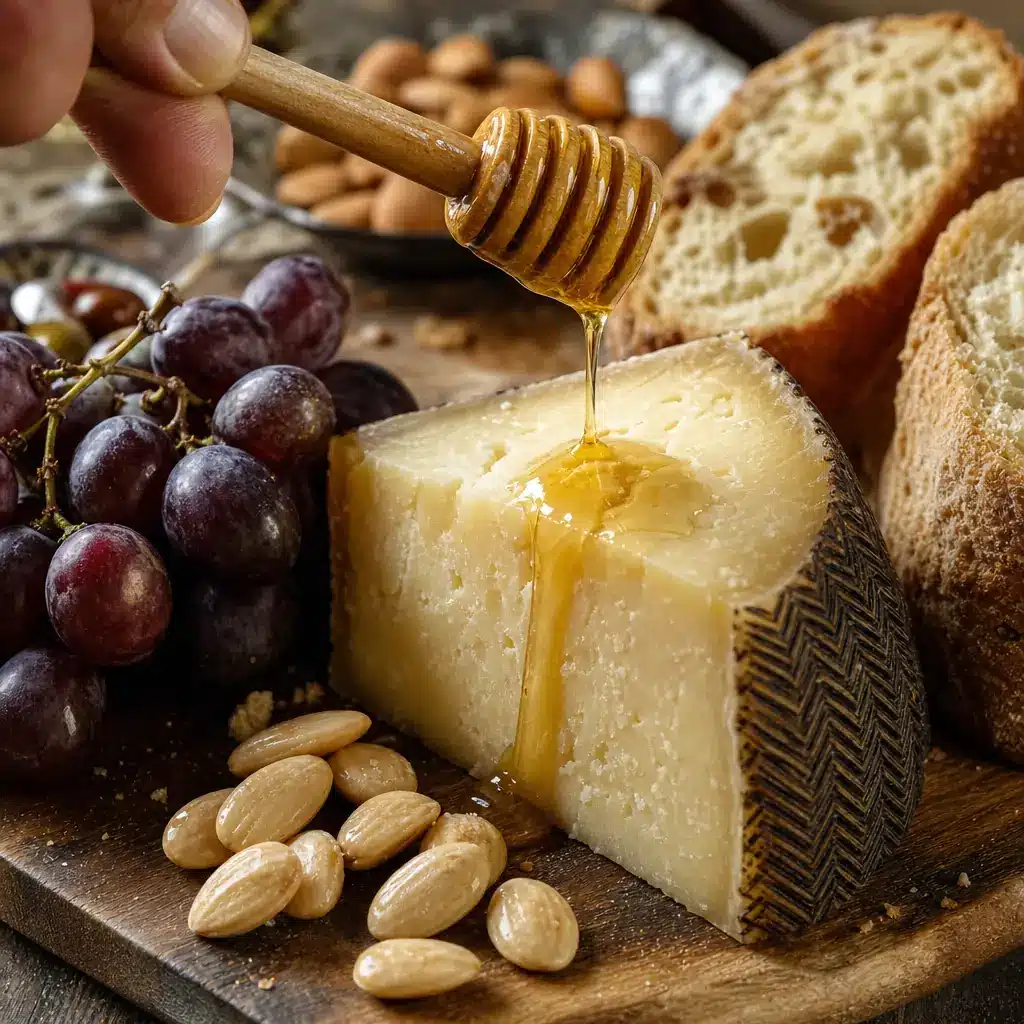
You want acid and brine to reset the palate between bites. Cornichons and castelvetrano olives do that. Fresh fruit cuts through the richness too: grapes and figs work year-round, and Marcona almonds or spiced pecans give you the crunch layer every board needs.
The real challenge is proportion. Too much meat and the board feels heavy by the third handful. Too much fruit and it reads as a fruit platter with some cheese on the side. A good rule: about 40 percent should be meat and cheese, 30 percent fruit and vegetables, 20 percent crackers and bread, and 10 percent condiments like honey, whole-grain mustard, or fig jam.
That’s a lot of moving parts. If balancing all of it sounds like a puzzle, a private chef who specializes in grazing boards can nail the ratios and free you up to actually enjoy your own party.
Transform your culinary dreams into reality From interactive cooking lessons to exotic cuisine adventures, our expert chefs transform your kitchen into a world-class culinary experience.
Essential ingredients and pairings for your party board
Knowing what to buy is half the battle. The other half is knowing what goes with what.
| Category | Examples | Pairs well with |
|---|---|---|
| Cured meats | Prosciutto, salami, coppa, chorizo | Aged cheeses, cornichons, whole-grain mustard |
| Soft cheeses | Brie, burrata, goat cheese | Honey, fresh figs, crusty baguette |
| Aged cheeses | Manchego, Parmigiano, aged gouda | Marcona almonds, quince paste, dried apricots |
| Crunchy elements | Crackers, breadsticks, spiced nuts | Soft cheeses, dips, cured meats |
| Fruits | Grapes, berries, pomegranate seeds | Blue cheese, prosciutto, dark chocolate |
| Extras | Olives, pickled vegetables, jams, hummus | Flatbread, salami, fresh vegetables |
You don’t need every item on this table. Pick two or three from each row, and you’ll have plenty of variety for ten to fifteen guests. If you’re hosting people with dietary restrictions, swap in gluten-free crackers, plant-based charcuterie, or a roasted vegetable section. The board should feel inclusive without requiring a separate setup.
Try this one. Drape a thin slice of prosciutto over a wedge of ripe pear, add a dot of blue cheese, and finish with a drop of honey. Salt, sweet, creamy, and fruit in a single bite. That kind of small discovery keeps guests coming back to the board all night.
Creative themes and seasonal charcuterie ideas
A theme gives your spread a story. It also makes shopping easier because you’re working within a framework instead of grabbing everything that looks good at the store.
For a holiday spread, lean into warm flavors. Spiced nuts, cranberry compote, rosemary-studded crackers, and aged gouda with its caramel undertones all feel right during fall and winter gatherings. Swap the rosemary for candied pecans and add a small pot of hot pepper jelly, and you’ve got a board that works for New Year’s Eve too.
A summer board should go the opposite direction. Think bright citrus, marinated mozzarella, watermelon cubes, thinly sliced bresaola, and a bowl of whipped ricotta with lemon zest. Hosts in California and Texas often build boards around whatever is ripest at the farmers market that week. Serve it outside alongside some tailgate party food ideas and you’ve got a full backyard spread.
Dessert boards are underrated. Mild cheeses like mascarpone and young gouda, dark chocolate chunks, candied ginger, fresh berries, and shortbread cookies make a spread that works after dinner. Skip the meats entirely and let the cheese-and-chocolate contrast carry the board. If you want to go in a completely different direction, a sushi-themed spread offers another crowd-pleasing route.
A real chef’s charcuterie party menu
To see what a professional charcuterie-forward party menu actually looks like, here is a real menu from Chef Lance, one of Take a Chef’s most-booked chefs in the US.
Tips for assembling and presenting your charcuterie spread
Start with your board. A large wooden cutting board, a marble slab, or even a sheet pan lined with parchment paper all work.
Place your cheeses first. They’re the anchors. Space them evenly, then set down small bowls for olives, mustard, and honey. Now add the meats. Fold salami slices into quarters, roll prosciutto into loose rosettes, and fan coppa out in a line. These folds create height and texture, which makes the board look more generous than flat slices ever will.
Fill the gaps with fruit, crackers, and nuts. Tuck grape clusters into corners. Scatter almonds in the empty spaces. The goal is zero visible board underneath.
Timing matters more than most guides mention. Cheese should come out of the fridge 30 to 45 minutes before guests arrive so it softens and the flavors bloom. Crackers go on last to stay crisp. If your party runs longer than two hours, refresh the board halfway through with more crackers and a few slices of meat.
If you’d rather skip the logistics entirely, hiring a private chef through Take a Chef means someone else handles shopping, plating, replenishing, and cleanup. You walk into your own party or birthday celebration as a guest instead of the caterer.

Frequently asked questions about charcuterie spreads
What are the best items to include on a charcuterie spread?
A balanced spread includes three to four types of cured meats, at least three cheeses ranging from soft to aged, fresh and dried fruits, crackers or bread, nuts, and a few condiments like honey, mustard, or jam. The variety keeps guests exploring the board throughout the party.
What is the 3-3-3 rule for charcuterie boards?
The 3-3-3 rule suggests you include three types of meat, three types of cheese, and three types of accompaniments such as fruits, nuts, or spreads. It keeps your shopping list manageable and ensures enough contrast without overcomplicating things.
What dips go well on a charcuterie board?
Hummus, whipped ricotta, whole-grain mustard, fig jam, and honey are all strong choices. Roasted red pepper dip and olive tapenade also work well if you want a Mediterranean feel. Put dips in small bowls scattered across the board so guests can reach them easily.
How far in advance can you prepare a charcuterie board?
You can assemble most of the board two to three hours ahead and keep it covered in the fridge. Pull it out 30 to 45 minutes before serving so the cheeses reach room temperature. Add crackers and fresh herbs right before guests arrive to keep everything crisp.
Can a charcuterie board work for guests with dietary restrictions?
Absolutely. Swap standard crackers for gluten-free options, add a plant-based charcuterie section or a roasted vegetable spread, and label items so guests know what they’re eating. A private chef can customize the entire board around allergies and preferences so no one feels left out.
A private chef builds the board, plates it, and refreshes it as the night goes on. Book through Take a Chef and show up as a guest at your own party.