Key Takeaways
TL;DR: A Juneteenth dinner centers on soul food, such as smoked ribs, fried chicken, collard greens, mac and cheese and candied yams, plus red foods and drinks like hibiscus punch and red velvet cake. Start planning three to four weeks out, because the ribs alone need four to six hours in a smoker.
- What Juneteenth marks: Juneteenth, observed on June 19, marks the day in 1865 when enslaved people in Galveston, Texas, learned of their emancipation, more than two years after the Emancipation Proclamation. The dishes families built from what they grew and preserved became the backbone of soul food.
- Planning timeline: Send invitations and collect RSVPs and dietary needs three to four weeks out, finalize the menu and grocery list two weeks out, since ribs and brisket need dry rubs and overnight marinating, and handle plates, seating and music one week out.
- The menu: Anchor the meal with smoked ribs, pulled pork or fried chicken, add at least two hearty sides such as mac and cheese and candied yams, and include collard greens braised with smoked turkey necks or ham hocks. Red, a symbol of resilience, shows up in red velvet cake, watermelon, hibiscus tea and strawberry lemonade.
- Dietary swaps: Jackfruit pulled “pork” takes the same spice rub, cauliflower mac and cheese uses a cashew-based sauce, and gluten-free cornbread uses stone-ground cornmeal instead of wheat flour.
- Timing and portions: Ribs need four to six hours in a smoker, collard greens at least ninety minutes, and mac and cheese has to rest after baking. Plan one pound of raw meat per adult for bone-in cuts and half a pound for boneless. A private chef costs $107 to $263 per person with groceries, cooking and cleanup included.
Juneteenth dinners center on smoky grilled meats, fried chicken, collard greens, mac and cheese, candied yams, and red-hued drinks like hibiscus punch or strawberry lemonade. Planning well means starting three to four weeks out, locking in your guest count, and deciding whether you want to cook everything yourself or hand the kitchen over to someone else. The timeline below starts four weeks out and ends with a clean kitchen on June 20.
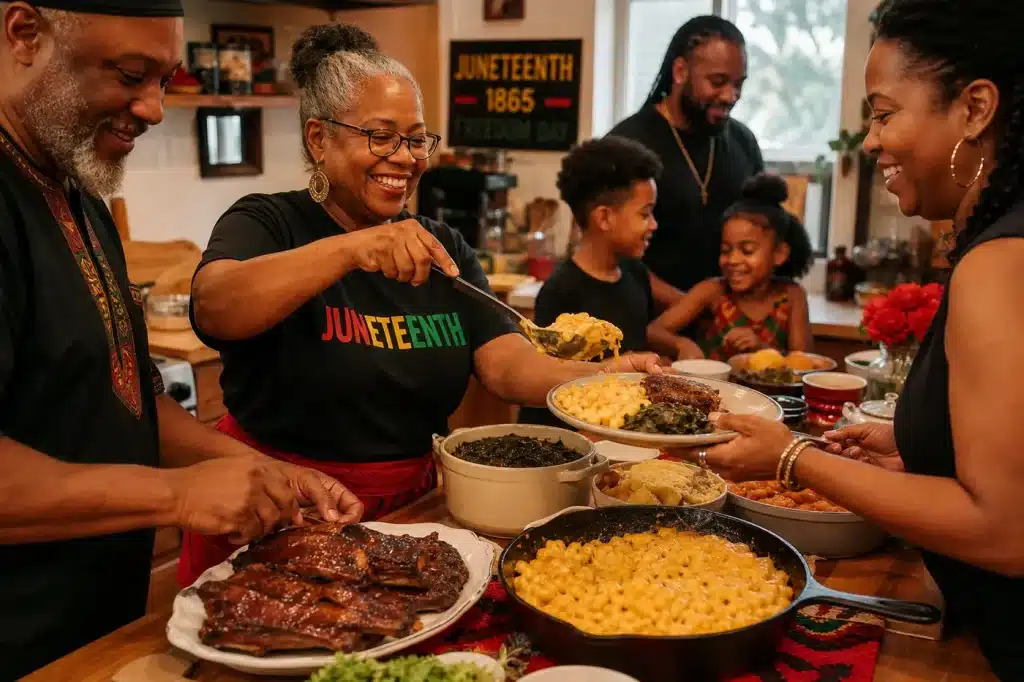
Juneteenth, observed on June 19, marks the day in 1865 when enslaved people in Galveston, Texas, finally learned of their emancipation. That news arrived more than two years after the Emancipation Proclamation. Food has always been central to the celebration. Families across the South built feasts around what they grew and preserved, and those dishes became the backbone of what we now call soul food. Hosting a Juneteenth dinner at home is a way to carry that tradition forward, whether your table seats six or twenty-six. If you want to taste those roots on a trip, see our guide to the best Soul food in atlanta.
Índice
When to start planning your Juneteenth dinner
Three to four weeks out is the sweet spot. That gives you time to send invitations, collect RSVPs, and ask about dietary needs without scrambling. The logistics are similar to planning a holiday dinner at home, so start with the guest count, then build the menu around what matters most to your crowd.
Two weeks before the dinner, finalize your menu and make a grocery list. Smoked ribs and brisket need dry rubs and overnight marination; collard greens taste better when they simmer low and slow. If you are making everything from scratch, block out your cooking schedule so you are not trying to fry chicken and stir mac and cheese at the same time.
Unforgettable moments with gourmet touches
From intimate dinners to special celebrations, our private chefs create memorable experiences that turn any event into something extraordinary.
One week out, handle the non-food details: plates, serving ware, seating, music. This is also the point where many hosts realize the cooking-and-cleanup load is bigger than they planned. If you would rather spend June 19 at your own table instead of behind the stove, hiring a private dinner party chef lets you hand off the groceries and the cooking, plus cleanup after.
Traditional and modern Juneteenth menu ideas
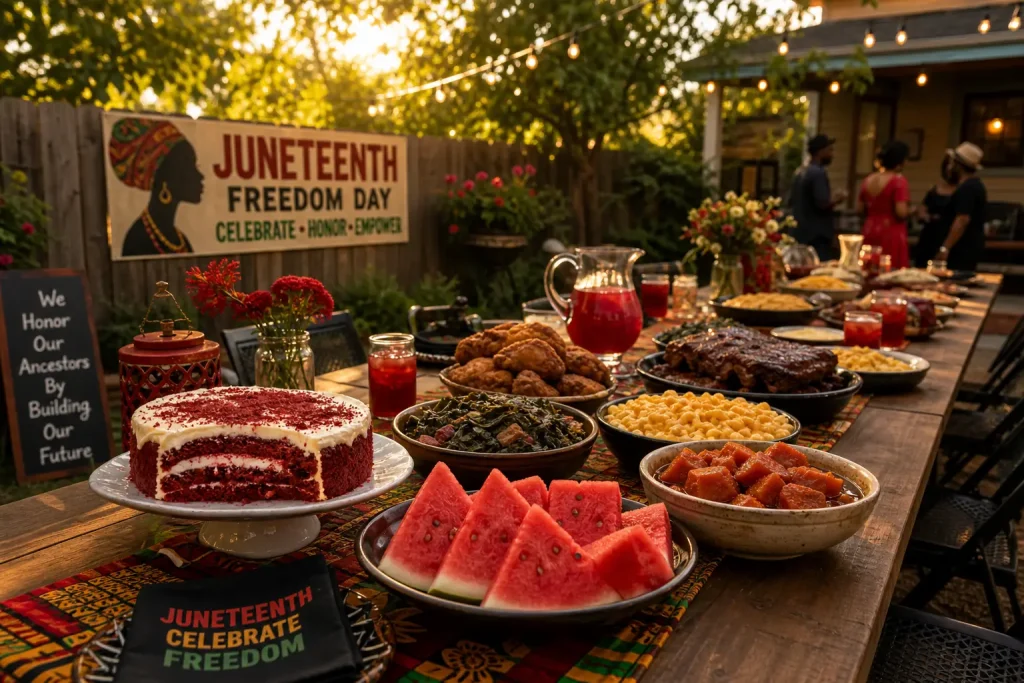
Red is the color that ties a Juneteenth table together. It symbolizes resilience and the bloodshed of enslaved people, and it shows up in everything from the main course to the final glass. Think red velvet cake, watermelon slices, tomato-based stews, and hibiscus tea poured over ice.
The protein anchors the meal. Smoked ribs, pulled pork, and fried chicken are the classics. Pair them with at least two hearty sides (mac and cheese and candied yams are non-negotiable for most families) plus a green. Collard greens braised with smoked turkey necks or ham hocks are traditional; sauteed okra or black-eyed pea salad work too.
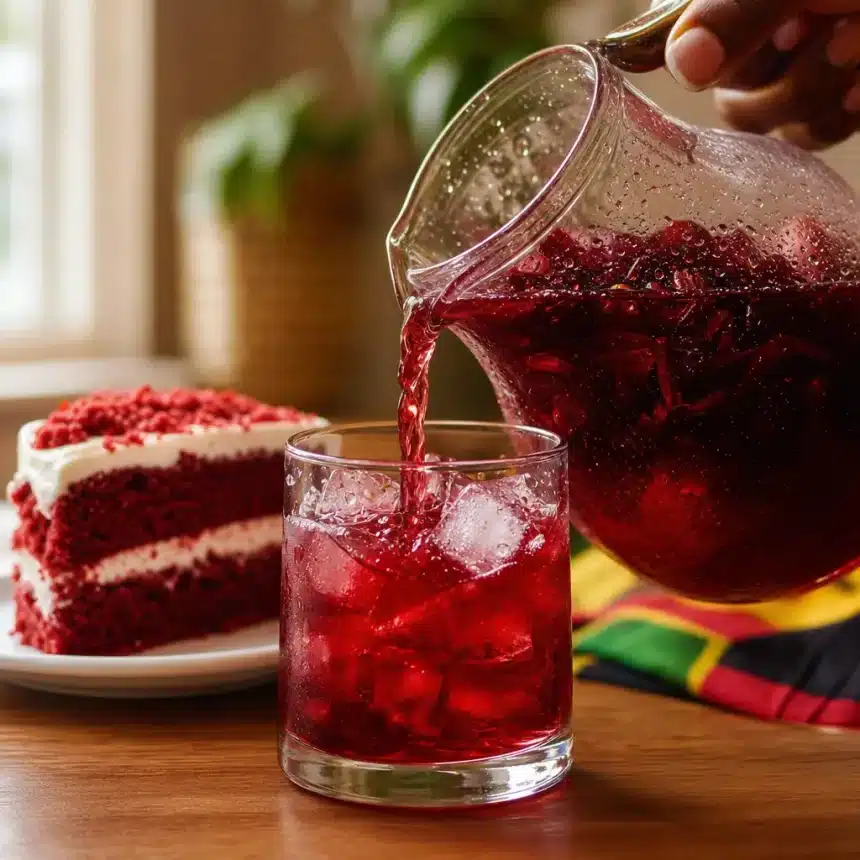
For guests with dietary restrictions, the menu bends without breaking.
| Traditional dish | Dietary-friendly alternative |
| Pulled pork | Jackfruit pulled “pork” with the same spice rub |
| Mac and cheese | Cauliflower mac and cheese made with a cashew-based sauce |
| Cornbread | Gluten-free cornbread using stone-ground cornmeal instead of wheat flour |
If you are celebrating in the South, booking a private chef in Atlanta means your guests get the full soul food spread without anyone stuck in the kitchen. And if your Juneteenth dinner leans more casual, a brunch-meets-dinner format stretches the celebration across the afternoon and lets you serve both sweet and savory without doubling your prep time.
Setting the scene: table setup and atmosphere
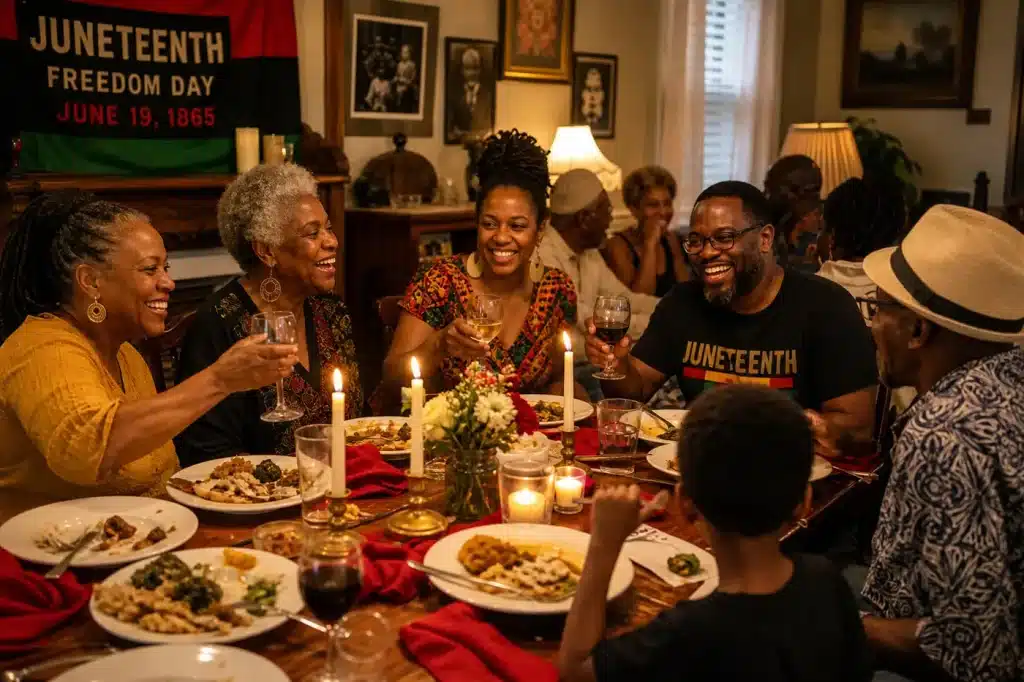
You do not need a Pinterest board to make the table feel right. A red tablecloth or runner does most of the work. Add candles, a few sunflowers or marigolds in mason jars, and you have a centerpiece. Family-style serving (platters and bowls passed hand to hand) fits the spirit of Juneteenth better than plated courses.
Music matters as much as decor. A playlist that moves from gospel and blues through Motown to contemporary R&B gives the room a rhythm that shifts with the meal. Print a short note about the history of June 19 and set one at each place setting; it sparks conversation, especially if younger guests are at the table.
Move part of the dinner outside if the weather cooperates.
A backyard setup with string lights and a grill station lets you cook in front of your guests, which turns the prep into entertainment. Keep a cooler stocked with red drinks so nobody has to go inside for a refill. Strawberry lemonade, hibiscus agua fresca, and watermelon juice all work.
Why the ribs are done before the mac and cheese is ready
Soul food is not fast food.
Ribs need four to six hours in a smoker. Collard greens want at least ninety minutes. Mac and cheese has to rest after baking or it falls apart on the spoon. If you start cooking at noon for a six o’clock dinner, you are already behind.
The second pitfall is underestimating portions. Juneteenth is a feast, not a tasting menu. Plan for seconds. A safe rule: one pound of raw meat per adult for bone-in cuts, half a pound for boneless, and at least two generous spoonfuls of each side per person.
Cleanup is the silent killer. After three hours of cooking and two hours of eating, the last thing you want is a kitchen full of sheet pans and cast iron. This is where a private chef from Take a Chef earns the investment. At $107 to $263 per person, with groceries, cooking, and cleanup included, it lands in the same range as mid-tier catering but with a fully customized menu built around your traditions and your guests’ dietary needs.
Frequently asked questions about Juneteenth dinners
What traditional food is served at a Juneteenth dinner?
The core menu draws from soul food and Southern cooking: smoked or grilled meats (ribs, brisket, fried chicken), collard greens, mac and cheese, candied yams, cornbread, and black-eyed peas. Red foods and drinks appear at almost every table because the color carries deep symbolic meaning tied to the struggle for freedom. Red velvet cake, watermelon, hibiscus tea, and strawberry cobbler are the most common.
What should I bring to a Juneteenth dinner?
A red dessert or drink is always a safe bet. Strawberry pound cake, red velvet cupcakes, or a pitcher of hibiscus lemonade shows you know the tradition. If the host is handling the main dishes, offer a side like deviled eggs, potato salad, or a fresh fruit platter.
What are good side dishes for Juneteenth?
Mac and cheese, collard greens, candied yams, black-eyed peas, cornbread, coleslaw, and fried okra are all staples. Lighter options like a watermelon-feta salad or grilled corn with chili-lime butter add variety without straying from the soul food roots.
How do I plan a Juneteenth dinner on a budget?
Focus your spending on the protein and make the sides from scratch. Most soul food sides use inexpensive pantry staples. Buy ribs or chicken in bulk, borrow or rent a smoker if you do not own one, and ask guests to each bring a side or dessert potluck-style.
If you would rather host without cooking, request quotes from private chefs in your area to make your Juneteenth celebration effortless.