

Key Takeaways
TL;DR: Starting a personal chef business from home takes a food safety certification such as ServSafe, a business structure such as an LLC, liability insurance, the right local health department permits and a plan for finding clients, and most chefs need three to six months to build enough regulars to replace a full-time income.
- Startup paperwork and costs: A ServSafe Food Protection Manager certification, the industry standard, costs around $150. LLC registration runs $50 to $500, general liability insurance $300 to $600 a year, and a local food handler permit $25 to $100. Check your health department’s rules, because cooking in a client’s home and cooking at home to deliver are regulated differently.
- Business structure and kitchen: A sole proprietorship is the fastest route, but an LLC protects your personal assets if an allergic reaction or kitchen accident leads to a claim. In most cases no commercial kitchen is needed, since personal chefs cook in the client’s kitchen; delivered meal prep may require one or a cottage food permit.
- Pricing: Build prices around groceries, labor, travel and cleanup time, then add 15% to 20% for the things you always forget to bill, such as an extra grocery run or a specialty ingredient. Raise prices after the first ten bookings, once you know your true costs.
- Finding clients: Photograph ten of your best dishes in natural light, claim your Google Business Profile and ask early clients for reviews, post behind-the-scenes prep and plated courses on Instagram stories and short videos, and let word of mouth take over once you have five to ten regulars. A marketplace such as Take a Chef handles client matching, payments and communication.
- What the job looks like day to day: A day with two dinners can start with menu texts at 9 a.m., a grocery run at 11, two hours of prep at home and the client’s kitchen by 4 p.m., ending near midnight. Clients rebook chefs who communicate clearly, arrive on time, handle surprises calmly and leave the kitchen spotless.
Starting a personal chef business from home is one of the lowest-barrier paths into food entrepreneurship. You need a food safety certification, a clear business structure, liability insurance, and a plan for finding clients who trust you in their kitchens — and you need to understand what Tuesday afternoon actually looks like once you have them.
Índice
Key steps to launch your personal chef business
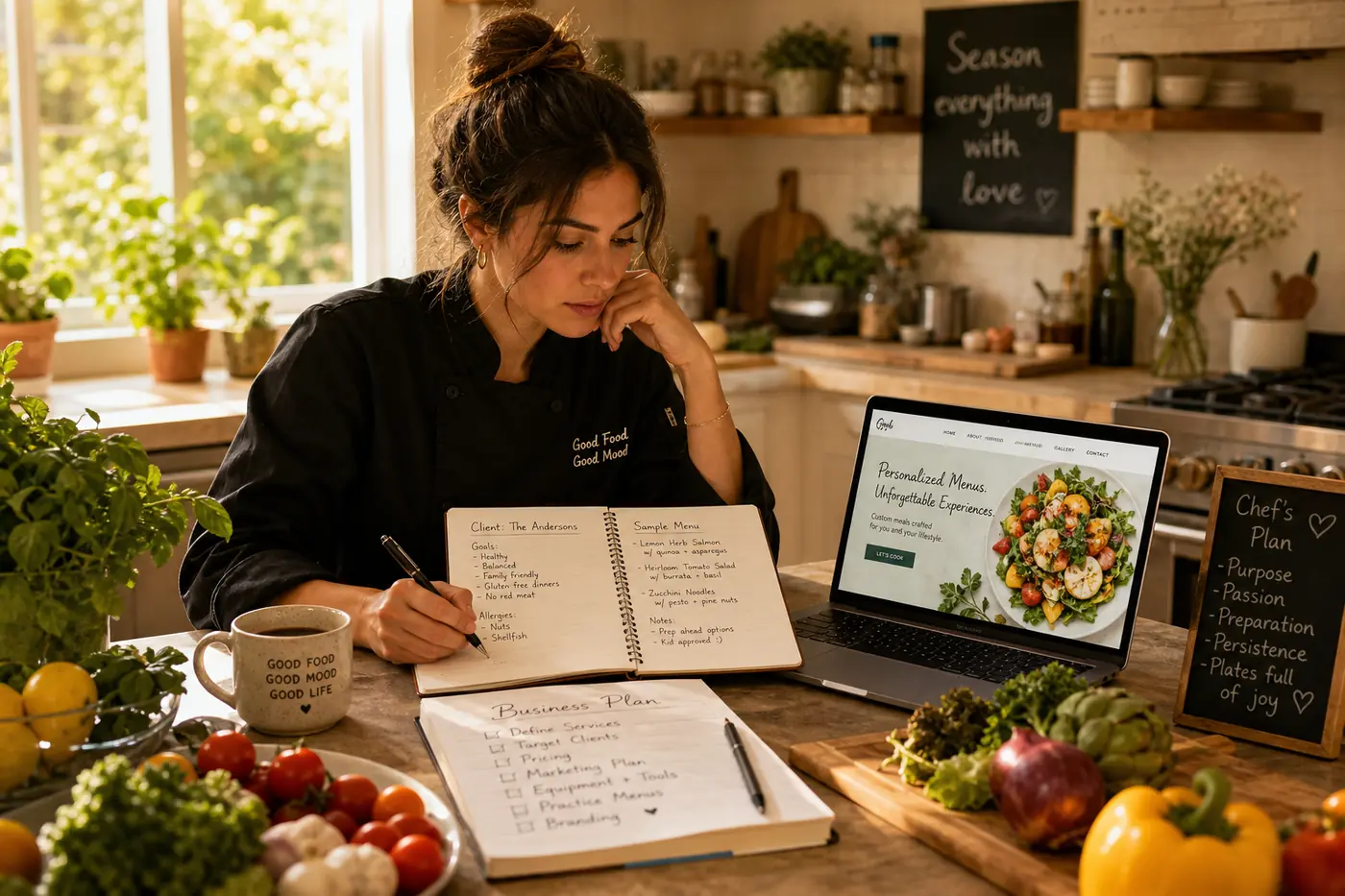
Before you cook a single meal for a paying client, you need paperwork. The specifics vary by state and county, but the pattern is consistent: get certified, get insured, get your name on file with the local health department.
A ServSafe Food Protection Manager certification is the industry standard. It costs around $150 and takes a day of studying if you already have kitchen experience. Some states accept alternatives, but ServSafe travels well if you ever expand to new markets. Beyond certification, you need to understand your local health department’s rules for cooking in clients’ homes versus cooking in your own kitchen and transporting food. These are different regulatory buckets, and confusing them can cost you a permit.
Choosing a business structure matters more than most new chefs realize. A sole proprietorship is the fastest route, but an LLC protects your personal assets if a client has an allergic reaction or a kitchen accident leads to a claim.
| Startup requirement | Typical cost | Timeline | Why it matters |
|---|---|---|---|
| ServSafe certification | $150 | 1-2 weeks | Required in most states; builds client trust |
| LLC registration | $50-$500 | 1-4 weeks | Separates personal and business liability |
| General liability insurance | $300-$600/year | 1-3 days | Protects you; many clients require it |
| Local food handler permit | $25-$100 | 1-2 weeks | Legal requirement in most jurisdictions |
Pricing is where most new chefs either undersell themselves or scare off first clients. Use the market as your benchmark: US clients typically pay $150 to $210 per person for a multi-course private chef dinner booked through Take a Chef, groceries included, from about $210 a head for two guests to about $150 for groups of 11 or more. Build your pricing around groceries, labor, travel, and cleanup time, then add 15 to 20 percent for the things you always forget to bill for: the extra grocery run, the specialty ingredient, the thirty minutes of post-dinner conversation.
Dietary restrictions are not an edge case.
They are the norm. Clients expect you to handle allergies, vegetarian guests at an otherwise omnivorous table, and kid-friendly plates alongside adult courses. A chef who can pivot gracefully when a guest count changes last minute or a dietary need surfaces the morning of a dinner is a chef who gets rebooked.
Practical tips for marketing and client acquisition
Your portfolio is your storefront. Before you spend a dollar on advertising, photograph ten of your best dishes in natural light. A clean white plate, a window, and a phone camera from the last three years will do.
Claim your Google Business Profile immediately. When someone searches “personal chef near me,” Google pulls from these profiles first. Fill out every field, upload your food photos, and ask your first few clients to leave reviews. Five five-star reviews outperform any paid ad for a local service business.
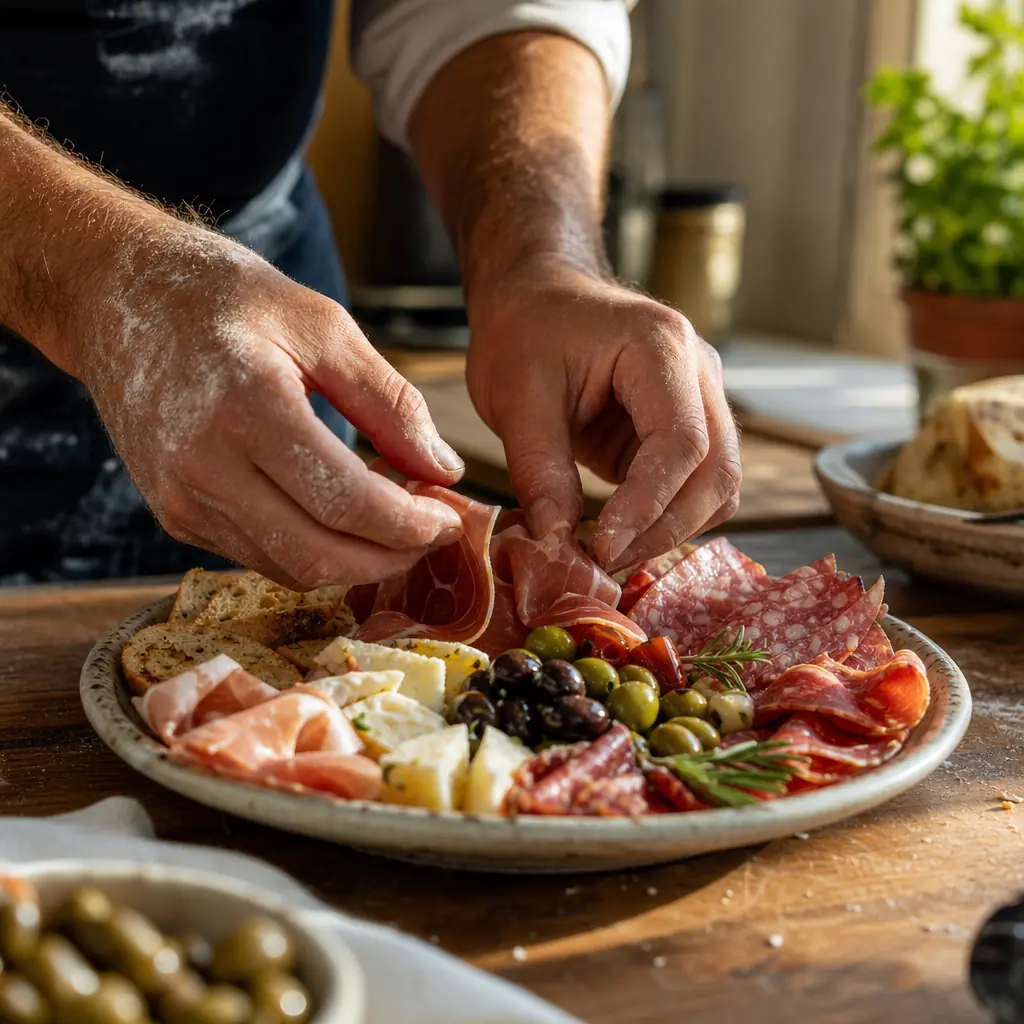
Social media works for personal chefs, but not the way most people use it. You are not building a food blog. You are showing potential clients what it feels like to have you in their home. Post behind-the-scenes prep, a plated course with the dining table in the background, a clean kitchen after service. Instagram stories and short video clips of you cooking tend to convert better than polished grid posts.
Word of mouth becomes your strongest channel once you have five to ten regular clients. Every birthday dinner, every family reunion, every friends’ gathering is a chance to earn three more bookings from the guests at the table. Make it easy for someone to find you the next morning.
One shortcut many chefs overlook: joining a marketplace that connects you with clients already searching for a personal chef. Platforms like Take a Chef handle client matching, payment processing, and communication, which frees you to focus on cooking instead of chasing invoices.
What starting a personal chef business looks like day to day
The startup guides love to talk about certifications and marketing funnels. They rarely talk about what Tuesday afternoon actually looks like.
A typical day with two dinner bookings might start at 9 a.m. with menu finalization over text, move to a grocery run by 11, include two hours of prep in your home kitchen, and then transition to the client’s kitchen by 4 p.m. You cook, you plate, you serve, you clean their kitchen until it looks better than you found it. If you have a second booking at 8 p.m., your day does not end until close to midnight.
Kitchen management matters more than you think.
Clients notice when you leave their space spotless. The chefs who build loyal client bases are not always the most creative cooks — they are the ones who communicate clearly, arrive when they said they would, handle surprises without visible stress, and leave every surface cleaner than they found it.
You will also face a fundamental business decision: stay fully independent or use a marketplace to fill part of your calendar. Going independent means higher margins but the full burden of marketing, invoicing, and handling cancellations. Take a Chef handles payment, scheduling, and client communication so you can focus on the food — and gives you access to travelers and people hosting special occasions you would never reach on your own. A common split: keep your five weekly regulars on direct invoicing and use a platform for weekend event bookings and new client acquisition.

Frequently asked questions about starting a personal chef business
How much should I charge as a personal chef?
Use the market as your benchmark: on Take a Chef, US clients typically pay $150 to $210 per person for a multi-course private chef dinner, groceries included, with the price varying by group size, ingredient costs, and your local market. Start by calculating your grocery costs, adding your hourly labor rate, and building in a margin for incidentals. Raise your prices after your first ten bookings once you understand your true costs.
Do I need a commercial kitchen to be a personal chef?
In most cases, no. Personal chefs typically cook in the client’s kitchen, so you do not need a licensed commercial space. If you plan to do meal prep and deliver it, some states require a commercial kitchen or cottage food permit. Check your local health department’s rules before committing to a model.
How do I find my first clients?
Start with your existing network. Offer two or three discounted dinners to friends or family in exchange for honest reviews and social media posts. Set up a Google Business Profile, post consistently on Instagram, and consider listing your services on Take a Chef’s chef directory to reach clients actively searching for a personal chef.
Is a personal chef business profitable?
Yes, but not immediately. Most personal chefs need three to six months to build enough regular clients to replace a full-time income. Margins improve as you get faster at prep, smarter about grocery sourcing, and better at managing your schedule. Chefs serving four to five dinners per week typically earn a comfortable full-time income within their first year.
What makes clients rebook a personal chef?
Reliability and communication matter as much as the food. Clients rebook chefs who show up on time, accommodate last-minute changes, customize menus to their preferences, and leave the kitchen spotless. The meal needs to be excellent, but the experience of having someone in your home is what turns a one-time booking into a monthly regular.
Take a Chef handles the client matching and invoicing so you can focus on cooking. Apply and start filling your calendar with bookings you would not find on your own.