
Surgery puts your body under significant stress. Whether you have just had a minor outpatient procedure or a major operation, what you eat in the days and weeks that follow can make a measurable difference in how quickly and smoothly you heal.
Your body needs a steady supply of the right nutrients to rebuild tissue, fight infection, and restore energy levels depleted by anesthesia and the healing process itself.
The good news is that eating for recovery does not have to mean bland, hospital-tray food. A thoughtful approach to post-surgery nutrition is flavorful, satisfying, and genuinely nourishing.
Below, you will find the essential food groups and specific options that science consistently links to better surgical outcomes.
Índice
Why nutrition matters so much after surgery
When a surgeon makes an incision, your body immediately begins a complex repair process. Immune cells rush to the site, inflammation starts (controlled inflammation is part of healing), and specialized cells called fibroblasts begin laying down new collagen to close the wound. Every stage of this process is nutrient-dependent.
Inadequate nutrition after surgery is associated with longer hospital stays, higher rates of infection, delayed wound closure, and muscle loss that can take months to reverse. The three pillars of post-surgery nutrition are protein, fiber, and vitamins and minerals, each playing a distinct role in the recovery cascade.
Transform your culinary dreams into reality
From interactive cooking lessons to exotic cuisine adventures, our expert chefs transform your kitchen into a world-class culinary experience.
High-protein foods that rebuild tissue
Protein is the building block of new tissue. After surgery, your protein requirements can jump by as much as 50 percent above your normal daily needs, depending on the extent of the procedure. Aim for lean, easily digestible sources that your body can put to use quickly.
Best protein sources for post-surgery recovery
- Eggs: one of the most bioavailable protein sources available, eggs also provide zinc and vitamin D, both critical for immune function and tissue repair.
- Greek yogurt: delivers protein alongside probiotics that help restore gut flora disrupted by antibiotics, a common post-surgical medication.
- Poultry and fish: chicken breast, turkey, and salmon are lean options that are easier to digest than red meat. Salmon adds omega-3 fatty acids, which have well-documented anti-inflammatory properties.
- Legumes: lentils, chickpeas, and black beans offer plant-based protein bundled with fiber, making them doubly useful for recovery.
- Cottage cheese and ricotta: soft, mild, and protein-dense, these are ideal if chewing is uncomfortable or appetite is reduced.
Fiber-rich foods to prevent constipation
Constipation is one of the most common and uncomfortable post-surgery complaints. Opioid pain medications slow the digestive tract, reduced movement limits natural gut motility, and dehydration compounds the problem. A fiber-rich diet is one of the most effective ways to counteract these effects.
The recommendation for most adults is 25 to 38 grams of fiber per day. After surgery, hitting the lower end of that range consistently will help keep your digestive system moving without straining incision sites.
Top fiber foods to include in your recovery diet
- Oatmeal: soluble fiber in oats forms a gel-like consistency in the intestines, softening stool and easing passage. It is also gentle on a sensitive stomach.
- Cooked vegetables: steamed broccoli, carrots, zucchini, and sweet potato are easier to digest than raw versions while still delivering meaningful fiber content.
- Fruits: prunes, pears, kiwis, and berries are particularly high in fiber and also provide vitamin C, which your body needs to synthesize collagen.
- Whole grains: brown rice, quinoa, and whole wheat bread add insoluble fiber that bulks stool and reduces transit time through the colon.
Vitamins and minerals that accelerate healing
Specific micronutrients are disproportionately important in the post-surgery window. Deficiencies in any of these can noticeably slow your recovery timeline.
- Vitamin C: essential for collagen synthesis, vitamin C is found in citrus fruits, bell peppers, strawberries, and kiwi. Many surgeons recommend a temporary supplement in addition to dietary sources.
- Vitamin A: supports immune function and skin cell regeneration. Sources include sweet potatoes, carrots, leafy greens, and eggs.
- Zinc: critical for wound healing and immune response. Shellfish (especially oysters), pumpkin seeds, beef, and fortified cereals are rich sources.
- Iron: surgical blood loss can lower iron stores. Lean red meat, spinach, lentils, and tofu help restore levels and combat postoperative fatigue.
- Calcium and vitamin D: particularly important after orthopedic surgery. Dairy products, fortified plant milks, and fatty fish support bone repair.
Hydration: the overlooked recovery essential
Every biochemical process in your body, including wound healing, requires adequate hydration. Water transports nutrients to healing tissues, flushes out metabolic waste, and helps medications work as intended. Aim for at least eight cups of water per day, and more if you have a fever or drain output.
Bone broth deserves special mention here: it provides hydration alongside collagen peptides, electrolytes, and a mild savory flavor that many post-surgery patients find more appealing than plain water when appetite is suppressed.
Foods to limit or avoid during recovery
Just as important as what you add to your diet is what you reduce. Certain foods actively slow healing or worsen common post-surgery side effects:
- Highly processed foods high in sodium can increase swelling and fluid retention around surgical sites.
- Alcohol interferes with anesthesia clearance, interacts with pain medications, and suppresses immune function.
- Refined sugars promote inflammation and feed harmful bacteria that can complicate wound healing.
- Carbonated beverages can cause gas and bloating, which is especially uncomfortable after abdominal procedures.
How a private chef can transform your post-surgery recovery
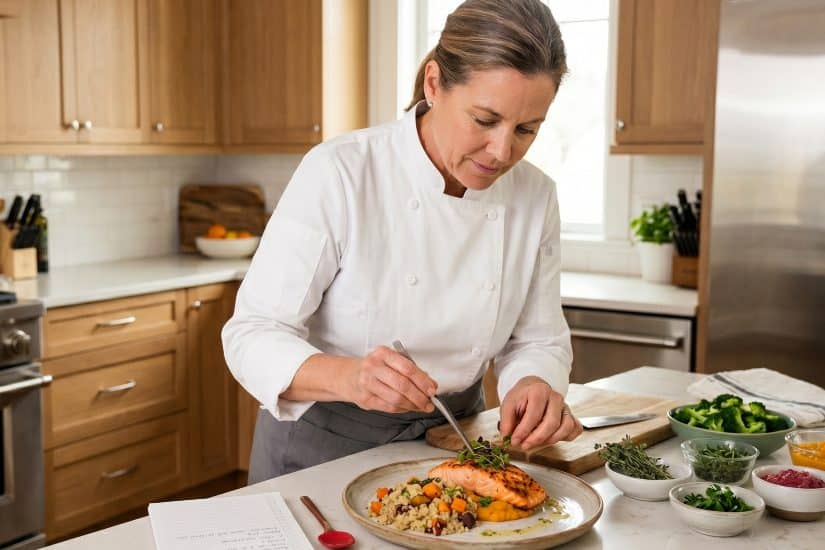
The problem with post-surgery nutrition is not knowing what to eat. Most patients understand the principles outlined above. The real challenge is execution: shopping, preparing, and cooking specialized healing meals when you are in pain, fatigued, and have limited mobility. This is where a professional private chef becomes genuinely valuable.
Through Take a Chef, the world’s leading private chef booking platform, you can hire an experienced chef to come directly to your home and prepare a full week of recovery-optimized meals tailored to your specific surgical procedure, dietary restrictions, and taste preferences. Founded in 2012, Take a Chef connects clients with professional culinary talent in hundreds of cities across the globe.
A private chef working with a post-surgery patient can design menus that hit precise protein targets, incorporate the right anti-inflammatory ingredients, and ensure every meal is soft enough to eat comfortably. For anyone recovering on a vegetarian or vegan diet, our guide to Custom meal plans for plants shows how to hit those same protein and micronutrient targets without meat.
Delegating meal preparation eliminates that physical demand entirely, letting you focus your limited energy on rest and rehabilitation. Menus can be adjusted session by session as your recovery progresses and your appetite and tolerance evolve.
Post-surgery food ideas: frequently asked questions
What are the best foods to eat after surgery?
The most effective recovery foods fall into three groups: lean protein to rebuild tissue (eggs, Greek yogurt, poultry, fish, legumes, cottage cheese), fiber to keep digestion moving (oatmeal, cooked vegetables, prunes, pears, berries, whole grains), and vitamin- and mineral-rich foods for healing (vitamin C, vitamin A, zinc, and iron). Bone broth and plenty of water round out a recovery-friendly diet. In the first days, prioritise soft, easy-to-digest versions of these foods.
What foods should you avoid after surgery?
Cut back on highly processed foods high in sodium, which can increase swelling and fluid retention around surgical sites; alcohol, which interferes with anesthesia clearance, interacts with pain medication, and suppresses immune function; refined sugars, which promote inflammation; and carbonated beverages, which cause gas and bloating that are especially uncomfortable after abdominal procedures.
How much protein do you need after surgery?
Protein needs can rise by as much as 50 percent above your normal daily requirement after surgery, depending on how extensive the procedure was. The goal is lean, easily digestible sources your body can put to use quickly, spread across the day rather than concentrated in one meal.
What foods help prevent constipation after surgery?
Constipation is common after surgery because opioid pain medication slows the digestive tract, reduced movement limits gut motility, and dehydration compounds the problem. A consistent fiber intake of 25 to 38 grams per day helps: oatmeal, cooked vegetables, high-fiber fruits like prunes, pears and kiwi, and whole grains such as brown rice and quinoa. Staying well hydrated is just as important as the fiber itself.
Which nutrients speed up wound healing?
Several micronutrients are disproportionately important in the recovery window. Vitamin C is essential for collagen synthesis, vitamin A supports immune function and skin regeneration, zinc is critical for wound healing, iron helps restore stores depleted by surgical blood loss, and calcium with vitamin D supports bone repair, which matters most after orthopedic procedures. Adequate protein underpins all of it.
What should I eat in the first days after surgery?
In the first 48 to 72 hours, soft and easy-to-digest foods take priority, and bone broth is often more appealing than plain water when appetite is suppressed. Over the following weeks the focus shifts toward rebuilding strength and preventing muscle loss. Because every procedure is different, your surgical team can give you guidance specific to your operation and any dietary restrictions.
Can a private chef prepare post-surgery recovery meals?
Yes. Through Take a Chef, the world’s leading private chef booking platform, you can hire an experienced chef to come to your home and prepare a full week of recovery-optimized meals built around precise protein targets, anti-inflammatory ingredients, and textures that are comfortable to eat. Menus can be adjusted session by session as your appetite and tolerance evolve, so you can focus your energy on rest and rehabilitation.
Your recovery starts on your plate
Recovery is a process, not a single event, and your nutritional strategy should evolve alongside it. In the first 48 to 72 hours, soft and easy-to-digest foods take priority. Over the following weeks, the focus shifts toward rebuilding strength and preventing the muscle loss that often follows extended inactivity.
Throughout every phase, staying consistent with high-protein, fiber-rich, vitamin-packed meals gives your body the raw materials it needs to heal as efficiently as possible. If you want expert culinary support during that journey, booking a private chef through Take a Chef is one of the most practical investments you can make in your own recovery.