Chef Peter Lenart
Chef At Home in Girona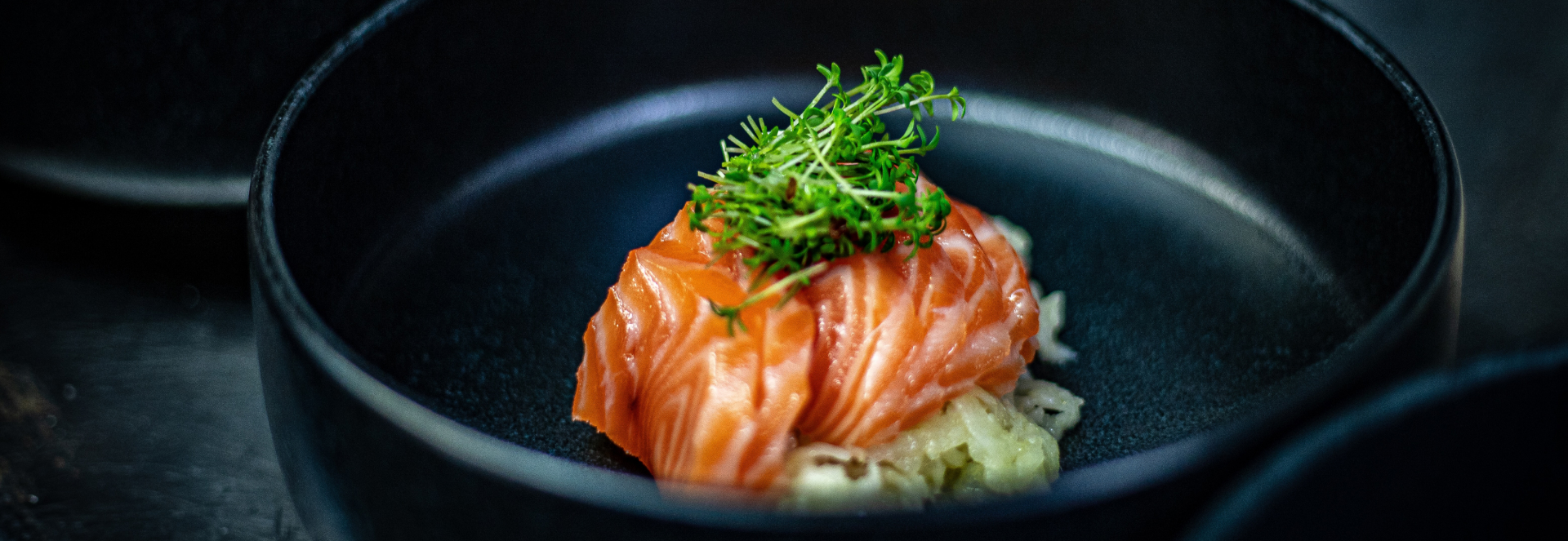
Get to know me better
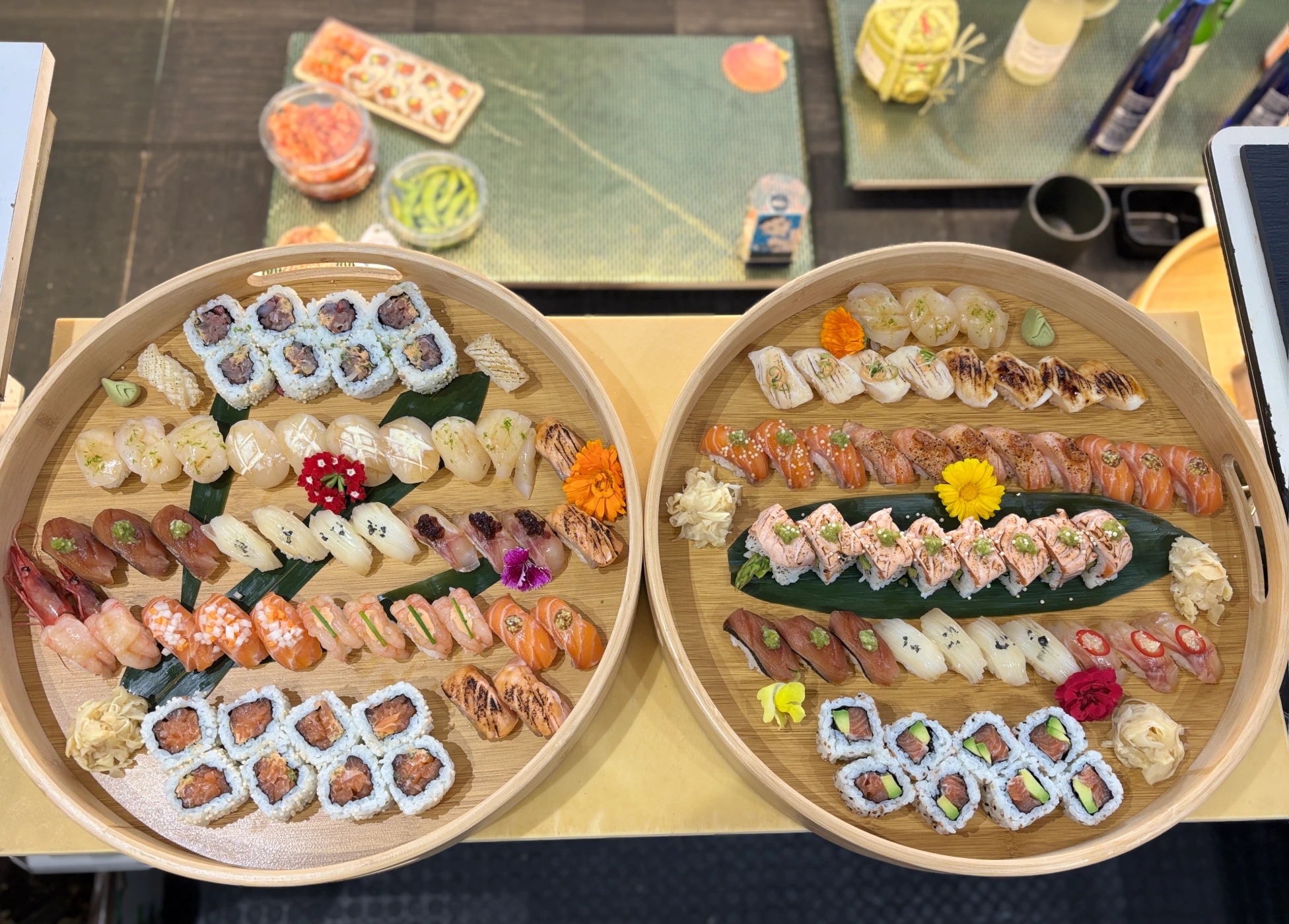
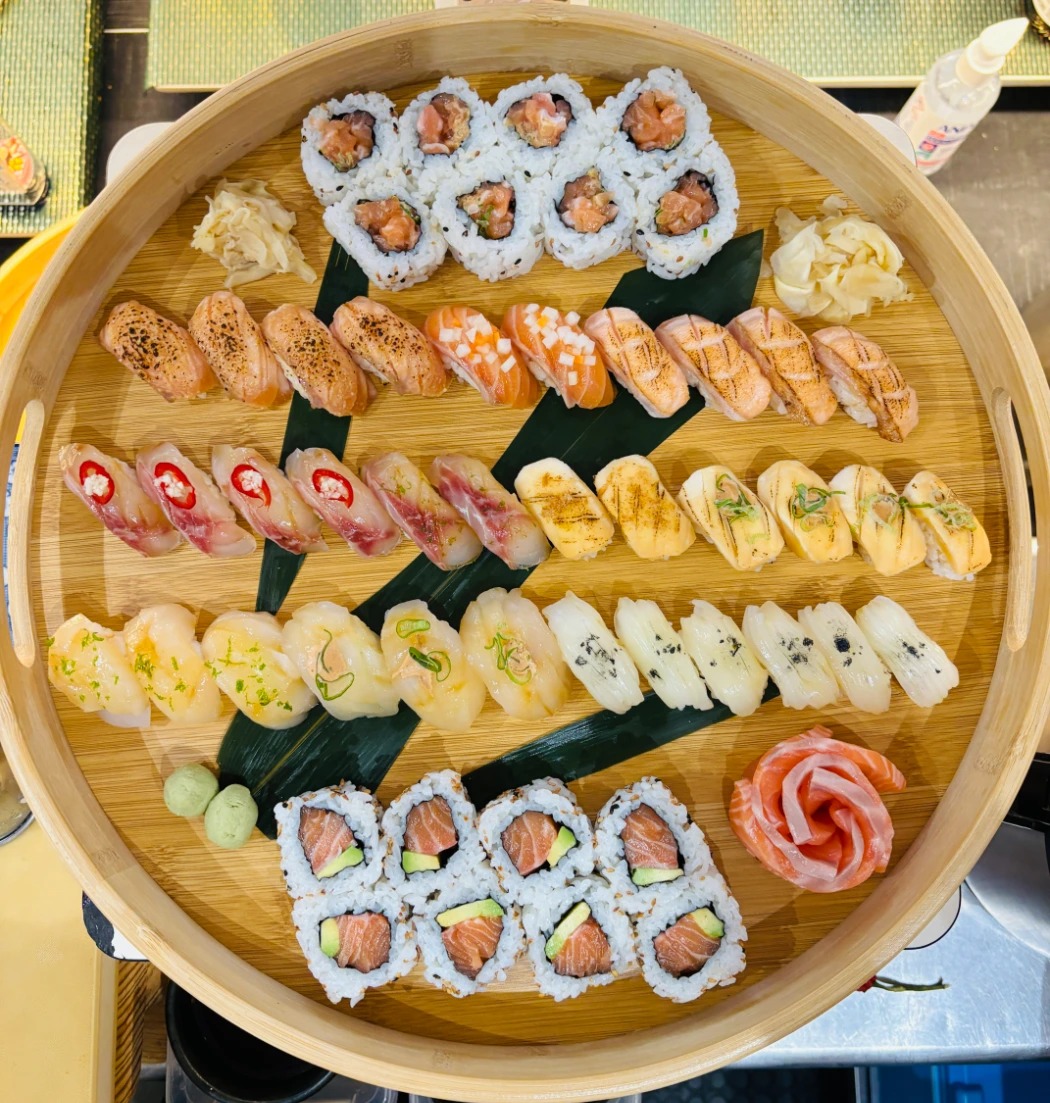
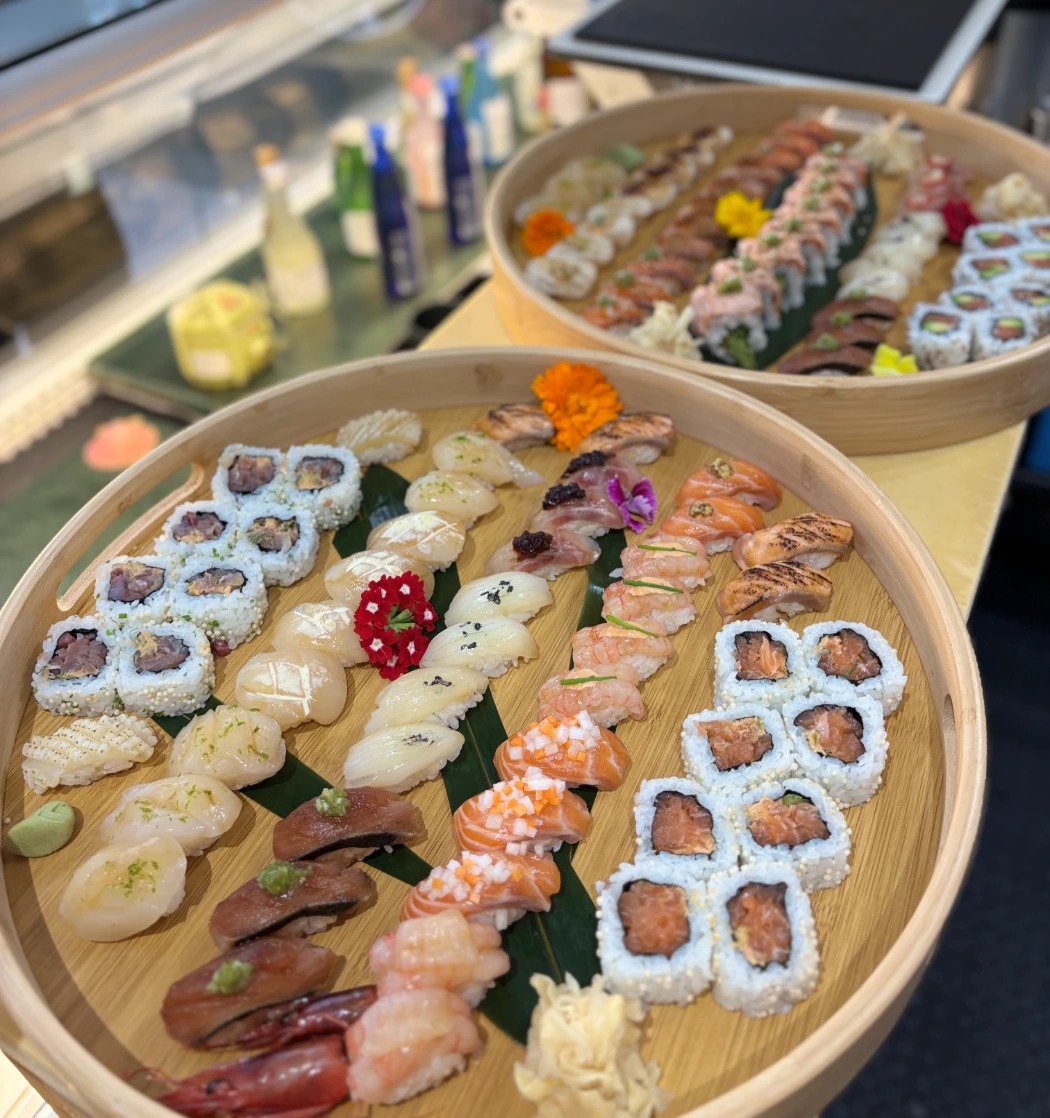
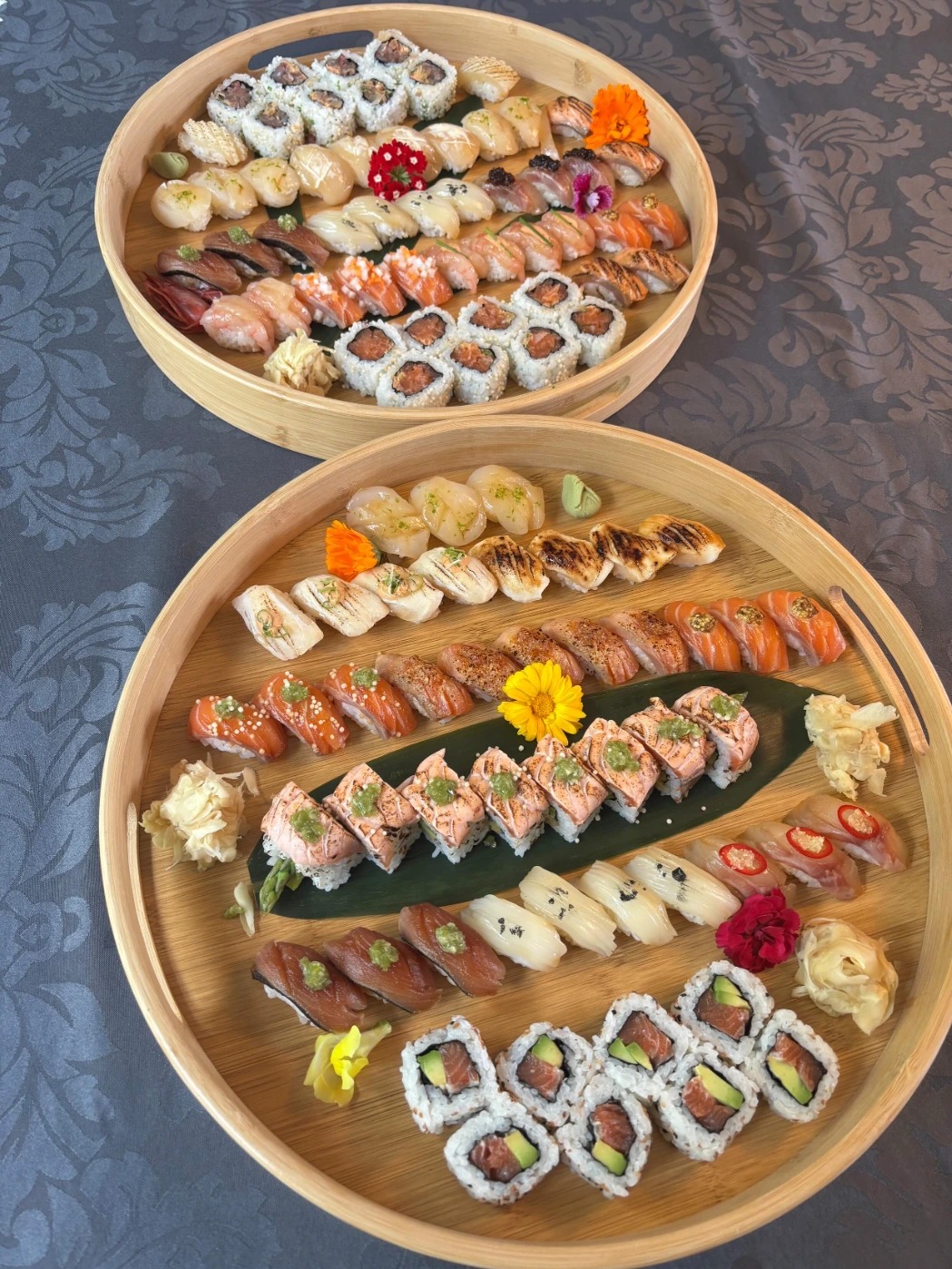
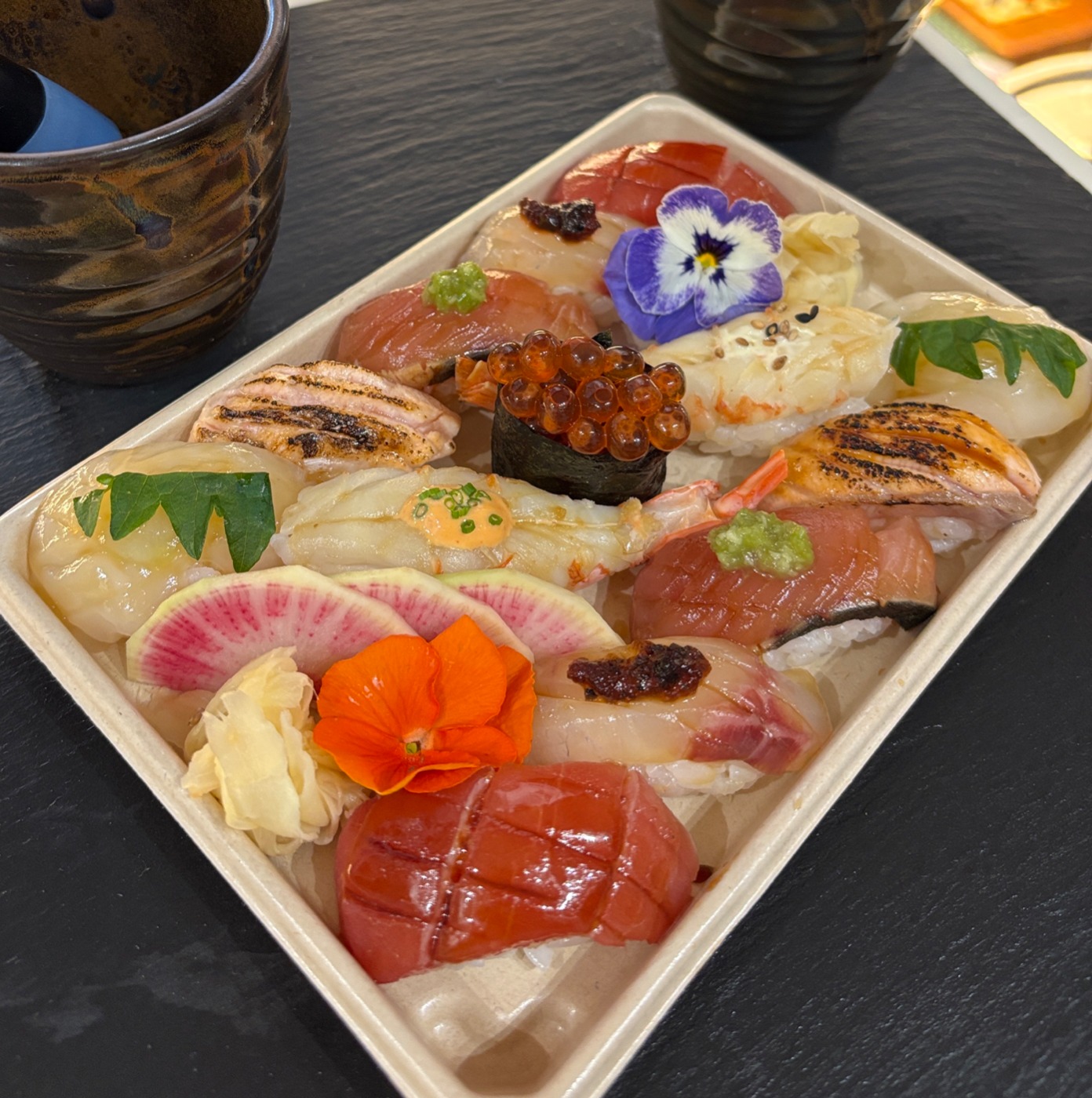
As a private sushi chef, I'm specialised in the traditional Edo-mae style, creating Japanese sushi with handpicked local ingredients.
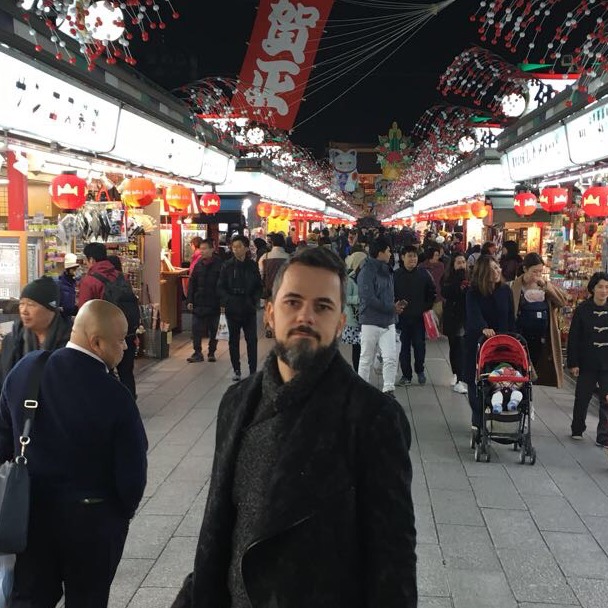
I'm Peter Lenart,
I moved to London in 2010 from Hungary and started learning about sushi in a traditional Japanese restaurant at Swiss Cottage. The following years I managed to work with many excellent Japanese chefs at various high-end sushi restaurants, such as Yashin Kensington; Sakenohana; Arts Club - Kyubi;
I opened my own restaurant in East London in 2015, which was sold a few years later to the Atari-ya group. They took me to Japan for some additional sushi/sushi business training, so I could become ready to open some new restaurants for them back in London. So I did.
During my 10 years London experience as a Sushi Chef, I learned about sushi from some of the best Japanese Chefs in Europe at the time.
I left London for the Costa Brava in 2021.
I've been searching for the best local ingredients ever since on a weekly basis.
There is a huge potential in some local ingredients, but unfortunately not everything is gold at the shop, so you need to go after and find them one by one. All these quality ingredients can strongly enhance the overall quality of my sushi selections, which are based on the traditional Edo-mae sushi making.
The Edo-mae style of sushi, originating from Edo (now Tokyo) during the Edo period (1603–1868), is characterized by techniques that enhance and preserve the natural flavors of seafood.
These techniques define Edo-mae sushi by enhancing flavors, textures, and seasonality while respecting traditional craftsmanship.
Key techniques include:
1. Aging (Jukusei – 熟成)
Certain fish, like tuna and flounder, are aged for several days to develop umami and enhance texture.
2. Marination (Shime – 〆)
Fish like mackerel and kohada (gizzard shad) are cured in vinegar and salt to balance flavors and remove excess moisture.
3. Simmering (Nimono – 煮物)
Ingredients like anago (saltwater eel) are simmered in a sweet soy-based sauce to enhance their richness and tenderness.
4. Soy Sauce Brushing (Tsukemono – 漬け物)
Akami (lean tuna) is sometimes marinated in soy sauce to deepen its umami and refine its texture.
5. Light Grilling (Aburi – 炙り)
Some fish are lightly seared to add a smoky aroma and bring out natural oils.
6. Wasabi & Nori Pairing
Traditionally, freshly grated wasabi is used between the fish and rice, while high-quality nori (seaweed) is carefully selected for its crisp texture and umami.
7. Precise Rice Preparation (Shari – シャリ)
Edo-mae sushi rice is seasoned with red vinegar (akazu), which was historically derived from sake lees, giving it a slightly richer flavor.
These techniques define Edo-mae sushi by enhancing flavors, textures, and seasonality while respecting traditional craftsmanship.
More about me
For me, cooking is...
Making sushi for me is to apply all those details that make the difference between commercial sushi and a high-end sushi experience.
I learned to cook at...
I learned about sushi from some of the best Japanese Chefs in Europe at the time, during my 15 years London fine dining experience as a Sushi chef.
A cooking secret...
My secret in the kitchen is my attention to details throughout the whole sushi process.
Book your experience with Chef Peter
Specify the details of your requests and the chef will send you a custom menu just for you.
Take a Chef services in nearby cities
Discover cities near Girona where you can enjoy a Chef At Home service
Cities where you can enjoy a Chef
Discover cities of Spain where you can enjoy our experiences.